


Table of Contents
Endometriosis Care in Pembroke Pines
For women in Pembroke Pines seeking expert endometriosis care, our practice offers comprehensive diagnosis and treatment options for endometriosis in Pembroke Pines. We provide personalized, evidence-based care designed to help you manage symptoms and improve your quality of life.
According to the World Health Organization, endometriosis affects approximately 1 in 10 women of reproductive age worldwide, often causing chronic pelvic pain and infertility. This condition occurs when tissue similar to the uterine lining grows outside the uterus, leading to inflammation and discomfort.
Common endometriosis symptoms include severe menstrual cramps, pain during intercourse, painful bowel movements, and difficulty conceiving. Diagnosis is confirmed through laparoscopic surgery, which allows the gynecologist to directly visualize and biopsy endometrial implants. The American College of Obstetricians and Gynecologists (ACOG) recommends laparoscopy as the gold standard for definitive diagnosis.
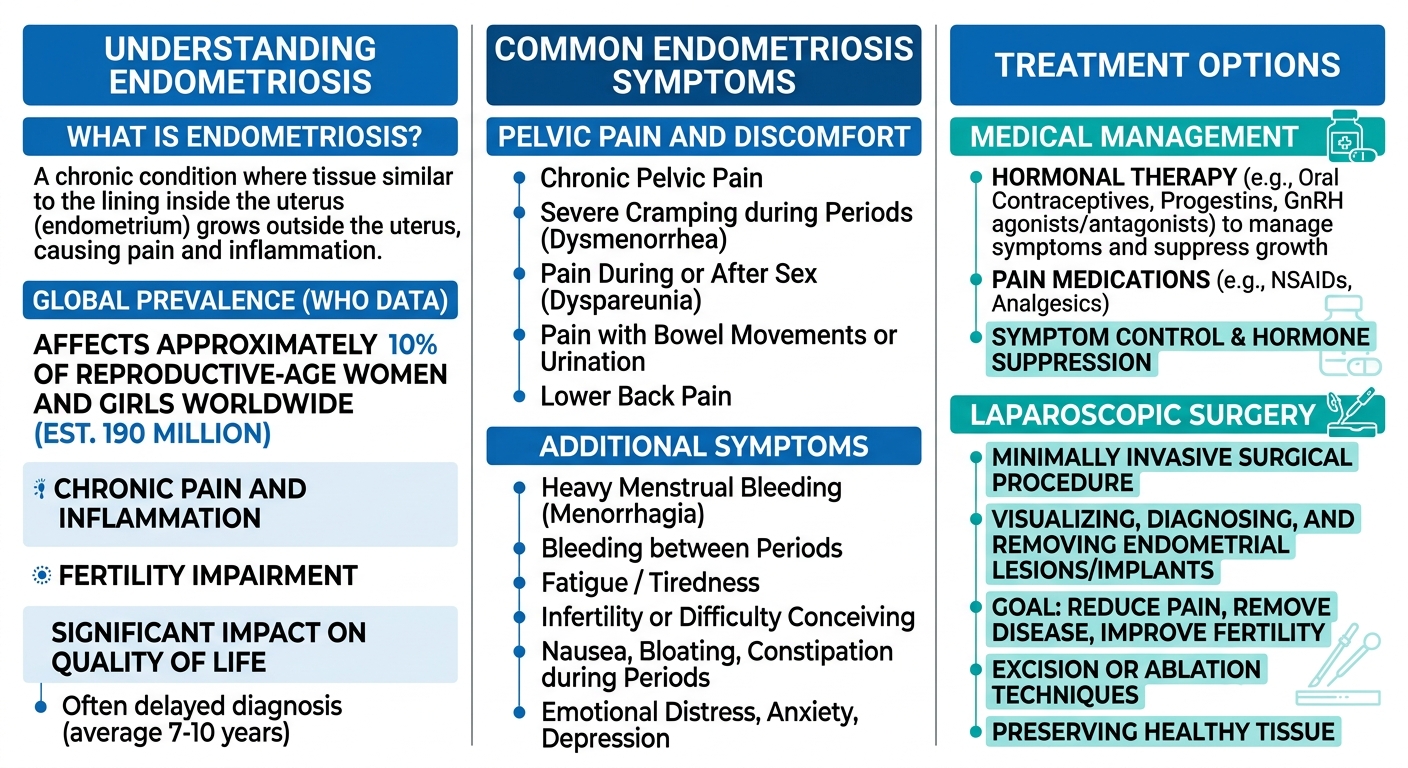
Endometriosis care overview in Pembroke Pines.
For women exploring treatment options for endometriosis in Pembroke Pines, our practice offers both medical management and minimally invasive laparoscopic surgery. Medical management may include pain relief or hormonal therapy, while laparoscopic surgery for endometriosis removes endometrial growths. Our board-certified gynecologist specializes in laparoscopic surgery, creating personalized treatment plans in a supportive environment. We are here for you to offer Expert Attentive Care at every step.
For expert, compassionate care tailored to your needs, schedule a consultation with an OBGYN In Pembroke Pines at our practice. Contact us today and take the first step toward relief.
Understanding Endometriosis: Symptoms and Diagnosis in Pembroke Pines
To understand treatment options, it's essential to first understand the condition itself. Let's explore what endometriosis is, its symptoms, and how it is diagnosed.
What Is Endometriosis?
Endometriosis in Pembroke Pines, like everywhere, develops when tissue similar to the uterine lining begins growing outside the uterus. This misplaced tissue frequently implants on the ovaries, fallopian tubes, and the pelvic peritoneum. Each month, these endometrial-like growths react to the same hormonal signals as the uterine lining--they build up, break down, and bleed. Because the blood has no way to exit the body, it triggers inflammation, scarring, and sometimes painful adhesions that can distort pelvic anatomy.
According to the World Health Organization, endometriosis affects roughly 10% of women and girls of reproductive age worldwide, making it a common yet often overlooked chronic condition. At First Class OBGYN in Pembroke Pines, we are dedicated to providing expert, attentive care for those struggling with pelvic pain and other symptoms linked to endometriosis.
Common Symptoms of Endometriosis
Identifying endometriosis symptoms early can lead to faster diagnosis and more effective management. While each patient's experience differs, common endometriosis symptoms include:
- Chronic pelvic pain that often intensifies during menstruation
- Painful periods (dysmenorrhea) severe enough to disrupt daily activities
- Heavy menstrual bleeding or bleeding between cycles
- Pain during or after intercourse
- Pain with bowel movements or urination, especially during menstrual periods
- Difficulty conceiving (infertility)
If you are a Pembroke Pines resident experiencing any of these signs, we encourage you to visit First Class OBGYN for a comprehensive evaluation. Our patient-centered approach ensures you feel heard, and we'll work together to explore the diagnostic and treatment choices that are right for you.
How Endometriosis Is Diagnosed
The diagnostic journey often begins with a detailed discussion of your symptoms and medical history at our Pembroke Pines clinic. Our team performs a pelvic exam to check for abnormalities and may recommend a transvaginal ultrasound to look for endometriomas, the ovarian cysts frequently associated with the condition.
When imaging does not provide a clear answer, laparoscopic surgery for endometriosis remains the gold standard for definitive diagnosis. The National Institutes of Health recognizes this minimally invasive procedure as the most reliable method to confirm endometriosis, because it allows direct visualization of the pelvic organs and tissue sampling. During the procedure, a thin, lighted scope is inserted through a small abdominal incision, providing a magnified view of the pelvic cavity. If endometrial implants are found, they can often be removed during the same surgery, offering both diagnosis and treatment in one step.
For patients who prefer our Fort Lauderdale location, we offer the same advanced diagnostic and treatment options for endometriosis Fort Lauderdale.
Now that you understand how endometriosis is diagnosed, the next section covers treatment options available at First Class OBGYN in Pembroke Pines.
Please consult a healthcare professional for personalised medical advice.
Benefits of Comprehensive Endometriosis Treatment in Pembroke Pines
Understanding a diagnosis is the first step; now let's explore the benefits of comprehensive endometriosis treatment available in Pembroke Pines. At our South Florida practices, including in Pembroke Pines and Fort Lauderdale, we offer expert endometriosis treatment endometriosis treatment Fort Lauderdale. We are here for you with personalized, patient-centered care that addresses your unique needs.
Comprehensive Care from Diagnosis to Recovery
Our team provides Expert Attentive Care from the initial evaluation through long-term management. We design a personalized care plan that may combine hormonal therapy, targeted pain management, and minimally invasive surgery to manage symptoms of endometriosis and chronic pain. This integrated approach helps improve quality of life by addressing both underlying disease and its disruptive symptoms. Transparent pricing for initial consultations and treatment plans ensures you can make informed decisions about your healthcare. By coordinating with in-house specialists, we streamline your journey from diagnosis to recovery, focusing on your comfort and long-term well-being.
Minimally Invasive Surgical Options
When surgery is necessary, we specialize in laparoscopic surgery for endometriosis, a minimally invasive approach that is the gold standard for treating symptoms of endometriosis and preserving fertility. According to the American College of Obstetricians and Gynecologists (ACOG), laparoscopic techniques result in less postoperative pain, shorter recovery times, and smaller scars while preserving healthy tissue. The smaller incisions reduce the risk of complications and promote rapid healing. This precision helps protect your fertility and allows you to return to daily activities sooner. We also offer robotic-assisted procedures for even greater precision. Our surgeons are experienced in advanced laparoscopic methods, ensuring the best possible outcome. We provide individualized follow up care and lifestyle strategies to support long term recovery. Results may vary based on individual patient conditions and circumstances.
Fertility Support and Preservation
Endometriosis can affect fertility, but we are committed to helping women restore their confidence and reproductive potential. Our endometriosis pembroke pines program includes ovulation tracking, surgical preservation of reproductive organs, and close coordination with reproductive specialists when needed. Data from the Centers for Disease Control and Prevention (CDC) shows that early, comprehensive management may improve fertility outcomes. We prioritize fertility-sparing techniques during surgery and provide guidance on family planning. We understand the emotional toll that fertility challenges can bring, and we are here to support you through every step. Our coordinated approach ensures you have access to the latest reproductive technologies if they become necessary. Results may vary based on individual patient conditions and circumstances. With these advantages, you can take the next step toward relief.
How Endometriosis Treatment Works at First Class OBGYN
If you are considering treatment, here is how we approach endometriosis care at First Class OBGYN. We provide trusted endometriosis treatment options Fort Lauderdale and welcome women seeking endometriosis care in Pembroke Pines, Miramar, and throughout South Florida. Our compassionate, board-certified team designs a personalized plan that addresses your unique symptoms and reproductive goals.
Treatment at First Class OBGYN follows a structured, three-step journey illustrated below:
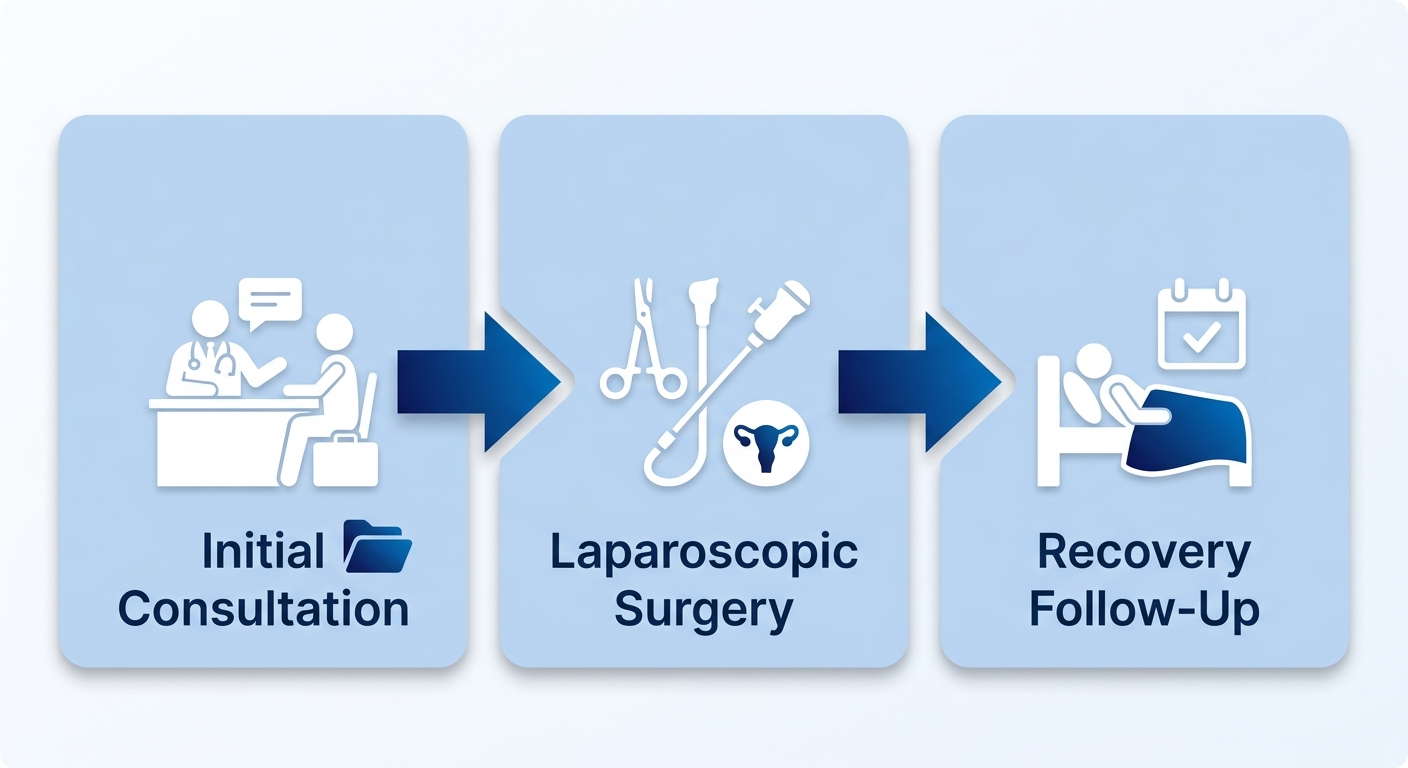
Three-step endometriosis treatment journey process flow
Initial Consultation and Personalized Treatment Plan
In this first step, we invest time to truly understand your story. You will discuss your endometriosis symptoms, including pelvic pain, heavy bleeding, and any fertility concerns, in a comfortable, supportive environment. A gentle pelvic examination and advanced imaging, such as transvaginal ultrasound or MRI, allow us to map the extent of endometriosis. Our board-certified gynecologist then collaborates with you to create a treatment roadmap. Options may include hormonal medications to manage pain, lifestyle adjustments like nutrition and stress management, or, when appropriate, surgery. We also explain all potential options thoroughly so you can make an informed decision. Throughout this conversation, we honor your personal goals--whether you prioritize pain relief, preserving fertility, or both. We are here for you to ensure you feel heard and supported.
Laparoscopic and Robotic Surgery: What to Expect
When medication and lifestyle changes aren't enough, laparoscopic surgery for endometriosis offers a minimally invasive solution. According to the American College of Obstetricians and Gynecologists, laparoscopic excision is a gold-standard approach that directly removes endometrial lesions while preserving healthy tissue. At First Class OBGYN, we perform the procedure through a few tiny incisions, using a high-definition camera to visualize the pelvic organs. Robotic assistance can provide even greater precision in complex cases. The goal is to relieve pain and, for those planning a family, restore pelvic anatomy. Most patients return home on the same day and can resume light activities within one to two weeks. Full recovery usually takes four to six weeks, although healing varies by individual. You'll receive thorough postoperative instructions to manage discomfort and care for your incisions.
Recovery and Follow-Up Care
After surgery, you will have follow-up appointments at two and six weeks so we can monitor your healing and adjust your care plan. During the first check-up, we examine your incisions, review any pathology results, and outline a return-to-activity timeline. Initially, you'll manage discomfort with prescribed or over-the-counter pain relievers and must avoid heavy lifting and strenuous exercise for about four weeks. Many patients benefit from hormone therapy--such as combined birth control pills or GnRH agonists (medications that lower estrogen to suppress endometriosis tissue)--to reduce the chance of symptoms returning. We also explore complementary strategies like pelvic floor physical therapy and anti-inflammatory nutrition. Our team stays connected with you, ready to address concerns and refine your long-term management. Results may vary based on individual patient conditions and circumstances. Our goal is to help you manage endometriosis effectively and improve your quality of life. Discover the results our patients have achieved.
Best Practices for Managing Endometriosis Long-Term
Managing endometriosis effectively requires a comprehensive, long-term strategy that combines self-care, medical therapy, and regular collaboration with your gynecologist. At First Class OBGYN, we support patients in developing personalized plans that address symptoms and improve quality of life.
Lifestyle and Self-Care Strategies
Lifestyle adjustments can play a powerful role in reducing endometriosis-related pain and improving overall well-being. An anti-inflammatory diet rich in fruits, vegetables, whole grains, and omega-3 fatty acids may help lower pelvic inflammation. Many women find that cutting back on processed foods, red meat, and caffeine reduces symptom flare-ups. Regular low-impact exercise such as walking, swimming, or yoga improves circulation, eases muscle tension, and supports emotional health. Stress reduction techniques, including mindfulness meditation and deep-breathing exercises, can also dampen the body's pain response. Complementary therapies like acupuncture and pelvic floor physical therapy are increasingly recognized for their potential to relieve chronic pelvic discomfort. While these strategies do not replace medical treatment, they create a strong foundation for managing endometriosis day-to-day. We encourage patients to view self-care as an essential partner to clinical care. Your OBGYN can help tailor these approaches to your unique symptoms and lifestyle.
Pain Management and Hormonal Therapies
Effective pain management often involves a combination of over-the-counter medications and prescription therapies. Nonsteroidal anti-inflammatory drugs (NSAIDs) like ibuprofen help relieve mild to moderate cramping and can be used as needed. For persistent symptoms, hormonal treatments are a cornerstone of endometriosis care. Combined estrogen-progestin contraceptives or progestin-only pills can suppress ovulation and reduce the buildup of endometrial tissue, often leading to less monthly pain. In more severe cases, GnRH agonists induce a temporary menopause-like state that significantly shrinks endometrial lesions, though they carry risks such as bone density loss and hot flashes. Newer options, including progestin-secreting intrauterine devices, offer local hormone delivery with fewer systemic side effects. When discussing hormone therapy Pembroke Pines with our providers, we carefully review your reproductive goals and medical history to choose the safest, most effective option for you. Our goal is to balance symptom relief with quality of life.
Partnering with Your OBGYN for Ongoing Care
Endometriosis is a chronic condition that thrives on consistent medical follow-up. At First Class OBGYN, we are here for you at every stage, from initial symptom evaluation through long-term disease management. Regular check-ups allow us to monitor changes in your condition, assess treatment response, and make adjustments before complications arise. Open, honest communication about your pain levels, side effects, and lifestyle challenges helps us refine your plan. We view the patient-provider relationship as a partnership built on trust and shared decision-making. Our team offers expert attentive care, combining clinical expertise with a warm, supportive environment. Whether you need to revisit your pain regimen, explore new therapies, or simply ask a question, we are committed to helping women restore their confidence and live more comfortably. Together, we can navigate the ups and downs of endometriosis and celebrate every victory along the way.
Taking the Next Step in Your Endometriosis Journey
Now that you better understand endometriosis, taking the next step in your endometriosis journey in Pembroke Pines begins with a conversation at First Class OBGYN.
Recognizing endometriosis symptoms is the crucial first step. Common signs include pelvic pain, painful periods, and discomfort during intercourse, but every woman's experience differs. According to the World Health Organization, endometriosis affects approximately 1 in 10 women of reproductive age worldwide.
For a definitive diagnosis, laparoscopic surgery for endometriosis is the gold standard recommended by the American College of Obstetricians and Gynecologists. Our board-certified gynecologist specializes in minimally invasive procedures that can confirm and treat the condition, often reducing recovery time and preserving healthy tissue. We offer this advanced surgical care at our Miramar, Weston, and Pembroke Pines locations.
We are here for you. Contact our office to learn more about Urogynecology In Pembroke Pines and how our comprehensive urogynecologic evaluations support your pelvic floor health. Our practice provides expert attentive care in English, Romanian, and Spanish, and we are committed to helping women restore their confidence through personalized treatment plans. Schedule your consultation today.
Results may vary based on individual patient conditions. Please consult a healthcare professional for personalized medical advice.


