


Table of Contents
Navigating Menopause with Expert Care in Hollywood, Florida
Menopause is a natural life transition, not a medical condition, typically occurring between ages 45 and 55. For many women in Hollywood, Florida, this phase brings changes that can feel overwhelming, but understanding what is happening is the first step toward relief. The journey often begins with common menopause symptoms such as hot flashes, night sweats, mood swings, sleep disturbances, and vaginal dryness.
We believe that no woman should navigate this transition alone. Seeking guidance from a menopause specialist Hollywood FL provides access to evidence-based strategies that can support your well-being. According to The Menopause Society, the leading professional organization dedicated to women's midlife health, individualized care plans are essential, as every woman's experience is unique. When symptoms become disruptive, approaches like hormone replacement therapy may be discussed as part of a comprehensive, personalized plan.
At First Class OBGYN, we provide Expert Attentive Care for women throughout South Florida, and we are committed to helping women restore their confidence during the menopausal transition. Our board-certified gynecologists listen carefully to your concerns and offer guidance that balances medical expertise with genuine compassion. We are here for you, ready to help you feel like yourself again.
Menopause and the Role of a Specialist in Hollywood, Florida
As women enter the menopausal transition, finding a trusted menopause specialist in Hollywood, Florida can make all the difference in navigating this natural phase of life. At First Class OBGYN, we are committed to helping women restore their confidence with expert attentive care and a wonderful blending of friendly and professional support.
Common Symptoms and Timeline of Menopause
Menopause is officially confirmed after 12 consecutive months without a menstrual period, a definition supported by The Menopause Society. The lead-up phase, perimenopause, typically lasts between four and eight years and brings fluctuating hormone levels that trigger a range of menopause symptoms. The most common include hot flashes--sudden waves of warmth spreading over the face and upper body--and night sweats, which are intense hot flashes that disrupt sleep. Many women also experience mood changes such as irritability, anxiety, or feelings of sadness. Additional symptoms like vaginal dryness, sleep disturbances, and difficulty concentrating often appear, and recognizing them early empowers women to seek the personalized care they deserve.
The Role of a Menopause Specialist in Hollywood, Florida
A menopause specialist is a provider with advanced training in the hormonal shifts of midlife. When you consult a Gynecologist Hollywood FL who focuses on menopause, you receive a comprehensive evaluation that includes a detailed health history, symptom review, and when appropriate, laboratory hormone assessments. Based on this thorough picture, we design a personalized treatment plan that respects your unique health goals. At First Class OBGYN, our board-certified (US and EU) team offers care in English, Romanian, and Spanish, ensuring clear communication and genuine understanding. We are here for you with a wonderful blending of friendly and professional guidance, and our menopause specialist in Hollywood, Florida is dedicated to walking alongside you through every stage of the transition.
Treatment Options for Menopause: Hormonal and Non-Hormonal
Hormone replacement therapy, or HRT, remains one of the most effective strategies for easing moderate to severe menopausal symptoms. Systemic hormone replacement therapy--available as pills, patches, gels, or creams--works throughout the body to reduce hot flashes and protect bone health. For women with primarily vaginal concerns, local therapies such as low-dose vaginal rings, tablets, or creams can be effective for many women while limiting whole-body hormone exposure. Non-hormonal approaches also have a valuable place: a balanced diet, regular physical activity, and stress management may help reduce symptom intensity, and over-the-counter vaginal lubricants and moisturizers can relieve dryness. When hot flashes persist, certain low-dose prescription medications, including some antidepressants, may be considered. Results may vary based on individual patient conditions and circumstances, and our team at First Class OBGYN works closely with each woman to build a plan that matches her needs and preferences. In the following sections, we explore each treatment option in more detail.
Key Benefits of Seeing a Menopause Specialist in Hollywood, Florida
For women navigating the menopausal transition, choosing a menopause specialist in Hollywood, Florida offers distinct advantages. Our team at First Class OBGYN provides personalized, empathetic care that addresses your unique symptoms and helps you feel like yourself again.
Personalized Care Tailored to Your Needs
Our OBGYN Hollywood Fl, Dr. Laviniu Anghel, is double board-certified in the US and EU and speaks English, Romanian, and Spanish. He listens carefully to your concerns--hot flashes, night sweats, vaginal dryness--and builds a plan around your history and goals. We may combine lifestyle changes, medical therapy, and non-surgical procedures. Every plan is delivered with our Expert Attentive Care, ensuring you feel heard and respected. Our patient-centered approach puts you in control of your health journey. We coordinate follow-up over time and emphasize shared decision-making so treatments evolve over time with your lifestyle, priorities, and individual medical history.
Comprehensive Support for Vaginal Health and Bladder Control
Postmenopausal changes like vaginal dryness and urinary incontinence are common but treatable. We are here for you with non-surgical options such as laser vaginal rejuvenation. This advanced procedure stimulates collagen, improving tissue health and reducing symptoms. Dr. Anghel explains your choices in a comfortable, private setting. With offices in Hollywood and across South Florida, we make it easy to access expert care for these intimate concerns.
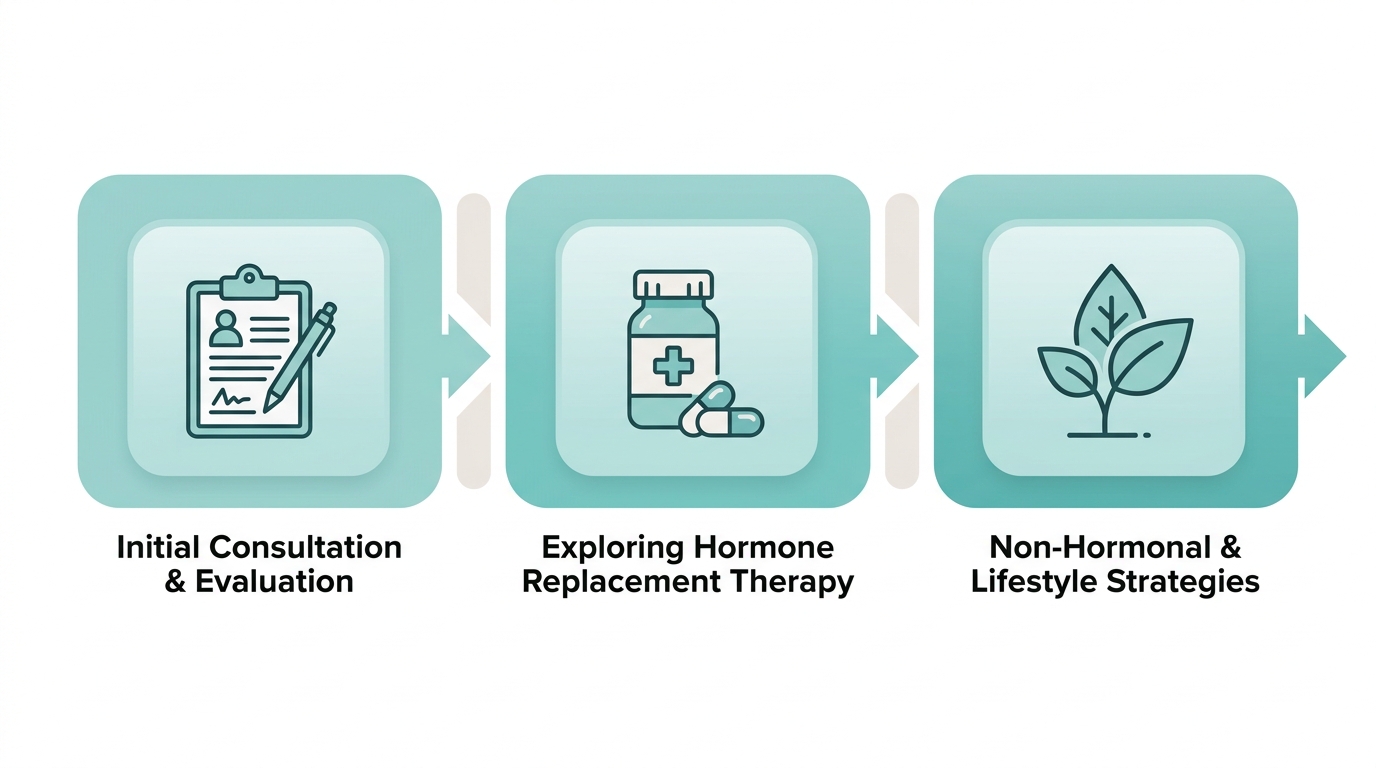
Personalized menopause treatment plan in three steps
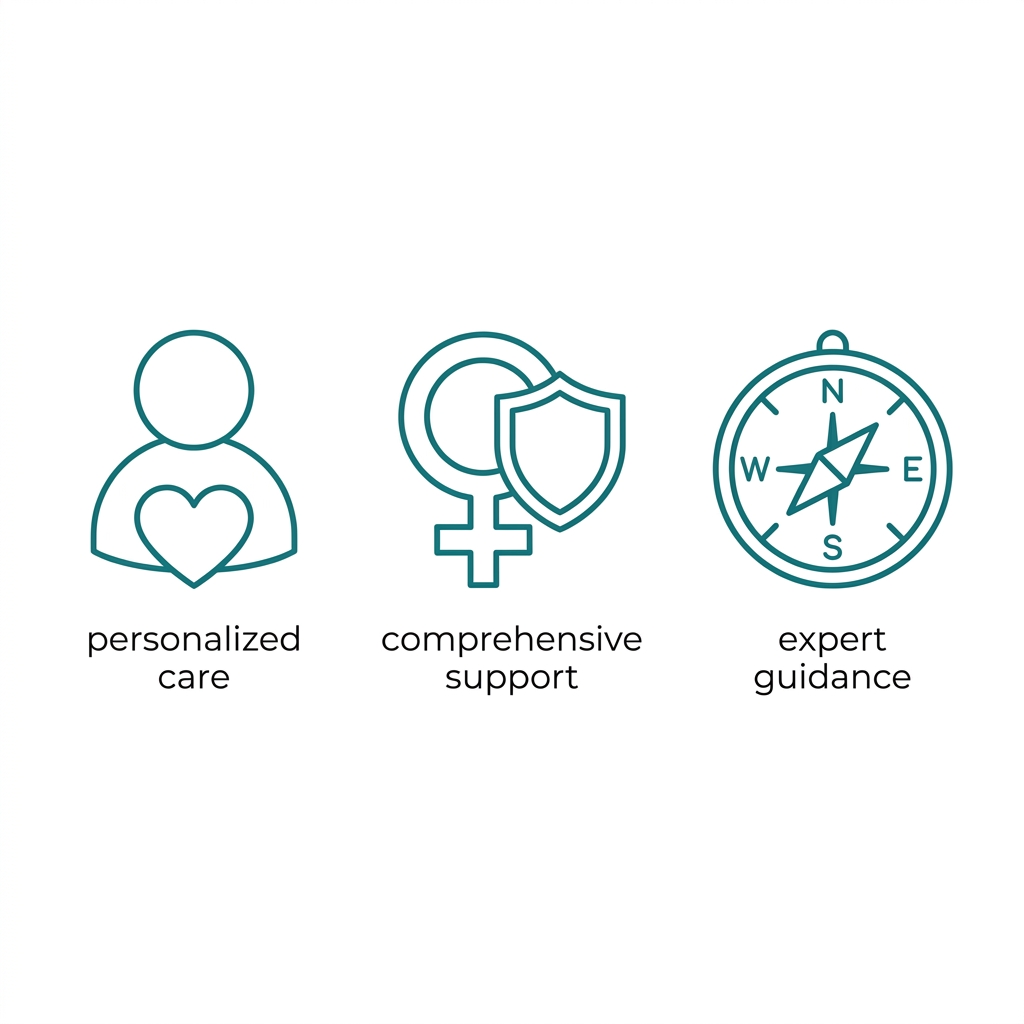
Three key benefits of a menopause specialist in South Florida
Each of these benefits--personalized care, advanced non-surgical solutions, and expert hormone guidance--reflects our dedication to your well-being. We are committed to helping women restore their confidence through every stage of menopause. Our approach favors conservative therapies first; we coordinate pelvic floor therapy when appropriate to support bladder control and pelvic health.
Expert Guidance Through Hormonal and Non-Hormonal Options
When considering hormone replacement therapy, having a knowledgeable menopause specialist in Hollywood, Florida makes all the difference. Dr. Anghel weighs the latest research from organizations like the American College of Obstetricians and Gynecologists and the National Institutes of Health against your personal menopause symptoms and risk factors. For many women, low-dose HRT can be safe and effective, while others may benefit from lifestyle changes or non-hormonal medications. We guide you through the decision with clarity and empathy, ensuring you feel confident in your treatment path. We monitor outcomes, adjust therapy as needed, and provide clear explanations so you can weigh benefits and risks with confidence. Understanding these benefits, let's explore the specific treatments available at our clinic.
How We Develop Your Personalized Menopause Treatment Plan
Every woman experiences menopause differently, which is why a one-size-fits-all approach simply does not work. As a leading menopause specialist in Hollywood, FL, we build a customized plan that starts with truly understanding you. We are here for you, ready to listen carefully to your story, your symptoms, and your goals for this next chapter. Our process blends evidence-based medicine with genuine compassion, ensuring you receive Expert Attentive Care from the very first visit.
Initial Consultation and Evaluation
Your journey begins with an in-depth consultation where we take the time to understand your unique experience. We review your personal and family medical history and discuss the full range of your menopause symptoms, which may include hot flashes, night sweats, vaginal dryness, mood swings, and sleep disturbances. You will also find a menopause specialist in Hollywood, FL, who asks about your lifestyle, stress levels, and personal treatment preferences.
During this evaluation, we carefully assess individual risk factors--such as cardiovascular health and breast cancer history--before formulating any recommendations. This thorough step reflects our philosophy that we are Committed to helping women restore their confidence by providing safe, personalized guidance. The session concludes with a collaborative discussion of your goals, whether that means relief from disruptive vasomotor symptoms or simply regaining a sense of balance and well-being.
Exploring Hormone Replacement Therapy
If hormone replacement therapy is appropriate, we explain the options in clear, understandable language. According to guidelines from The North American Menopause Society, hormone therapy remains the most effective intervention for moderate-to-severe vasomotor symptoms. Our practice may recommend a hormone replacement plantation tailored to your needs, using estrogen-only formulations for women without a uterus or combined estrogen-progestogen therapy for women with an intact uterus.
Delivery methods vary widely and can include oral pills, transdermal patches, topical gels, vaginal rings, and intrauterine devices. National Institutes of Health research underscores the importance of prescribing the lowest effective dose for the shortest necessary duration, and we follow this principle rigorously. We schedule regular re-evaluations to monitor your response, adjust dosages, and ensure the benefits continue to outweigh any risks.
Non-Hormonal and Lifestyle Strategies
For women who prefer alternatives or need adjunctive support, we integrate evidence-based non-hormonal therapies into your plan. The North American Menopause Society recognizes certain SSRIs and SNRIs, such as paroxetine, as well as gabapentin and clonidine, for reducing hot flashes. Over-the-counter supplements like black cohosh and soy isoflavones are sometimes discussed, though we advise a careful conversation because the evidence for their effectiveness remains mixed.
We also emphasize practical lifestyle modifications that deliver meaningful menopausal symptom relief. Incorporating regular aerobic exercise, maintaining a healthy weight, and using cooling techniques can significantly improve comfort. Learning to avoid personal triggers--such as spicy foods, alcohol, and caffeine--gives you an active role in managing your day-to-day wellbeing. Our recommendations are never static; we refine your plan based on your feedback, new research, and your evolving needs.
Three key benefits of a menopause specialist in South Florida
Personalized menopause treatment plan in three steps
A truly personalized plan is a living document. It grows and adapts alongside you. Whether your path includes HRT options, non-hormonal prescriptions, lifestyle adjustments, or a thoughtful combination of all three, you can trust that every decision is made with your health and confidence at the center. This is the standard of care we deliver--and it is what you deserve.
Managing Severe Menopause Symptoms: Tips for Daily Relief
Now that you understand the common symptoms, here are practical steps to manage them daily. For many women, navigating this transition can feel overwhelming, but small, consistent changes can make a significant difference in your comfort and well-being. Whether you are looking for a menopause specialist in Hollywood, FL or seeking daily relief, these tips can help you regain a sense of control.
Coping with Hot Flashes and Night Sweats
Hot flashes and night sweats are among the most disruptive symptoms, but simple strategies can provide relief. Dressing in light, removable layers allows you to quickly adjust to sudden temperature changes, and keeping a handheld fan nearby offers immediate cooling when a hot flash strikes.
We recommend identifying and avoiding common triggers, which often include spicy foods, caffeine, and alcohol. For better sleep, we advise keeping your bedroom cool by using a fan or opening a window, and choosing breathable, moisture-wicking pajamas and bedding. At the onset of a hot flash, practicing slow, deep abdominal breathing can help reduce its intensity. The American College of Obstetricians and Gynecologists (ACOG) also supports these lifestyle modifications as effective, evidence-based strategies for managing vasomotor symptoms.
Diet and Natural Remedies for Menopause Symptoms
Adjusting your diet can play a powerful role in managing menopause symptoms. We often suggest increasing your intake of phytoestrogens, which are plant-based compounds found in foods like soy products and flaxseed that may mimic estrogen in the body. It is equally important to stay hydrated and ensure you are getting enough calcium and vitamin D to protect your bone health during this time.
While some women explore herbal supplements, it is crucial to proceed with caution. For example, research on black cohosh for hot flashes is mixed, and national health guidelines do not universally recommend its use. We urge you to always speak with your doctor before starting any new supplement, as some can interact with medications or affect other health conditions. A nutrient-rich diet focused on whole foods is a safe and beneficial foundation for managing severe menopause symptoms.
Knowing When to Seek Professional Help
While self-care strategies are essential, there comes a point when professional guidance makes a world of difference. It might be time to see a specialist if your symptoms are consistently interfering with your sleep, work, or quality of life. You should also schedule a consultation if you want to explore medical treatments, such as hormone replacement therapy, which is highly effective but requires careful medical supervision to ensure it is safe for you.
We are here to provide that expert, attentive care. If you are in the Plantation area, our clinic offers that support--schedule an appointment with an obgyn plantation specialist who can tailor a plan to your needs. Together, we can discuss your concerns, review your health history, and create a personalized path forward. Results may vary based on individual patient conditions and circumstances. If these lifestyle tips aren't enough, medical treatments can offer further relief.
Empowering Your Journey Through Menopause
Menopause is a natural, empowering life transition, not a medical condition to be feared. If you are seeking a trusted menopause specialist hollywood fl, our team at First Class OBGYN provides the Expert Attentive Care you deserve. We are here for you through every stage, committed to helping women restore their confidence with a wonderful blending of friendly and professional support.
Understanding your body is the first step. The transition unfolds in three stages: perimenopause, when cycles become irregular; menopause, confirmed after 12 months without a period; and postmenopause. While the average onset is around age 51, your experience is uniquely your own. Common menopause symptoms like hot flashes, night sweats, mood swings, sleep disturbances, and vaginal dryness can feel overwhelming, but effective, personalized relief is available. According to guidelines from The North American Menopause Society, evidence-based treatments range from hormone replacement therapy to lifestyle adjustments and minimally invasive options like laser or radiofrequency treatments for related concerns.
Our approach to care in South Florida is built on partnership. We create customized plans that address your specific menopause symptoms and goals, all with a transparent approach to treatment planning. We invite you to schedule a consultation to explore your options for hormone therapy and reclaim your well-being. Please consult a healthcare professional for personalised medical advice and diagnosis.


