


Table of Contents
Addiction Explained -- From Acute Use to Chronic Disorder
Beyond routine exams, understanding chronic conditions like addiction is part of total wellness. When you're looking for a gynecologist in Coral Springs, Florida, understanding addiction as a chronic condition can help you make informed health decisions. Addiction is a chronic, relapsing brain disorder, defined by NIDA as compulsive drug seeking and use despite harmful consequences.
While acute substance use might involve experimentation or recreational use, addiction involves a loss of control and continued use even when it causes harm. For women, addiction is shaped by hormonal cycles, pregnancy, and societal stigma, which can worsen gynecologic health. Chronic substance use may:
- Disrupt menstrual cycles and contribute to pelvic pain
- Increase STI risk and affect fertility
Women with addiction may also face urinary issues, which is why we provide urogynecology in Coral Springs, Florida. Pelvic pain deserves careful evaluation from a pelvic pain specialist in Coral Springs, Florida. We encourage you to share your substance use history during gynecologic visits so we can tailor care. Professional substance use treatment programs can address the disorder and its impact on reproductive health.
We are here for you - schedule a consultation to discuss any concerns. While we don't provide addiction treatment, our expert attentive care can address gynecologic effects and help you restore your confidence. Results may vary based on individual patient conditions and circumstances.
How Drugs and Alcohol Affect the Brain
Understanding how drugs and alcohol affect the brain is vital for overall wellness. As your gynecologist in Coral Springs Florida, we share this neurobiology overview to help you make informed health decisions.
Key Brain Regions Involved in Addiction
The brain's response to drugs and alcohol centers on three interconnected regions, as detailed by the National Institute on Drug Abuse (NIDA). First, the basal ganglia--the brain's reward center--normally processes pleasures like eating or socializing. Drugs override this system by triggering dopamine surges far larger than natural rewards, creating an intense euphoria that powerfully reinforces use. Over time, the basal ganglia adapt, reducing sensitivity to everyday joys and driving the need for more of the substance just to feel normal.
The extended amygdala governs stress and anxiety. As substance dependence develops, this region becomes hypersensitive, generating negative emotions and withdrawal distress when the drug is absent. This fuels a cycle where avoiding discomfort becomes as motivating as chasing the high.
The prefrontal cortex, which handles impulse control and decision-making, is also compromised. Chronic substance use dampens its activity, weakening a person's ability to resist cravings even when consequences are clear. NIDA emphasizes that these neuroadaptive changes form the basis of addiction as a chronic disease. For women, hormonal cycles may influence these neural pathways, making brain health a critical component of gynecologic care. NIDA's insights highlight the importance of a comprehensive, women-centered approach to addiction.
How Different Drug Classes Affect Neurotransmitters
NIDA explains that each drug class disturbs neurotransmitter systems in distinct ways. Stimulants (cocaine, meth) flood the brain with dopamine and norepinephrine, creating a powerful high. But as the effects wear off, dopamine crashes leave users feeling depleted and craving more.
Depressants (alcohol, benzodiazepines) enhance GABA, the brain's main inhibitory chemical--think of it as the brake pedal. This slows neural activity, producing sedation and calm. With chronic use, the brain reduces its own GABA output, leading to severe withdrawal symptoms like anxiety, tremors, and seizures upon stopping.
Opioids bind to mu-opioid receptors, triggering a cascade that releases dopamine indirectly. This provides potent pain relief and euphoria but rapidly leads to tolerance, physical dependence, and a singular focus on obtaining the drug.
Cannabinoids work by activating CB1 receptors, which are widespread and influence mood, memory, appetite, and coordination. Hallucinogens (LSD, psilocybin) primarily affect serotonin 5-HT2A receptors, dramatically altering perception and thought processes; while they rarely produce compulsive use, they can induce lasting psychological effects.
Over time, the brain adapts to the constant chemical assault through neuroadaptations: receptor downregulation (tolerance), meaning a person must take more to achieve the same effect. Simultaneously, the prefrontal cortex--responsible for impulse control--becomes less active, making it harder to resist cravings. NIDA research shows these changes are the biological foundation of addiction.
For women, substance use carries particular reproductive risks, including harm to fetal brain development and potential worsening of pelvic floor conditions. That's why our pelvic pain specialist in Coral Springs Florida considers substance use history in personalized care plans. If you or someone you care about needs help, Addiction Treatment and Drug Addiction Help are available. At First Class OBGYN, your gynecologist in Coral Springs Florida and urogynecology in Coral Springs Florida team is ready to provide Expert Attentive Care that addresses every aspect of your health.
The Transition from Use to Addiction
As we have seen how substance use begins, the next critical question is how it evolves into addiction. Whether you are visiting a gynecologist in Coral Springs Florida, understanding addiction's progression is vital for overall health. At First Class OBGYN, we provide Expert Attentive Care that acknowledges how substance use can affect your reproductive and pelvic well-being.
From Positive to Negative Reinforcement
In the early stages, substances like alcohol trigger a surge of dopamine and other pleasurable brain chemicals, creating feelings of reward that positively reinforce the behavior. Over time, with repeated use, the brain adapts by reducing its own natural dopamine production. The initial euphoria fades, and the motivation shifts. Instead of using to feel a high (positive reinforcement), the person now uses to avoid the discomfort of withdrawal--a state of negative reinforcement. This is why alcohol, for example, can create a powerful physical dependence, often leading to Alcohol Addiction Treatment needs when withdrawal symptoms become overwhelming.
Key signs that casual use is turning into addiction include:
- Needing more of the substance to achieve the same effect (tolerance)
- Using primarily to stave off withdrawal symptoms and maintain daily function
- Experiencing physical or psychological distress when the substance is unavailable
For many women, hormonal fluctuations during the menstrual cycle or menopause can intensify withdrawal-related shifts, making the transition from positive to negative reinforcement particularly challenging. Recognizing these patterns early empowers you to seek the comprehensive support that includes both gynecologic and overall health guidance.
Brain Adaptation and the Allostatic Load
The brain's attempt to maintain function in the face of chronic substance exposure leads to a state called allostatic load--a persistent shift in baseline stress and mood regulation. Instead of returning to a normal, balanced state, the brain adapts by lowering its own reward threshold and amplifying stress responses. This means that without the substance, the individual feels heightened distress, anxiety, and physical discomfort, which drives continued use. Benzodiazepines, for instance, can rapidly induce tolerance, often requiring Benzo Addiction Treatment to safely manage withdrawal symptoms.
Allostatic load doesn't just affect mental health; it has physical consequences. Chronic stress and altered neurotransmitter levels can tighten pelvic floor muscles and amplify pain signals. Chronic substance use can affect pelvic health, a focus of urogynecology in Coral Springs Florida. The heightened physiological stress contributes to pelvic floor muscle tension and discomfort, which may worsen conditions like pelvic pain. By understanding this connection, women can better communicate with their healthcare providers about symptoms that may overlap between addiction and gynecologic issues. We provide Expert Attentive Care, driven by a commitment to helping women restore their confidence in their health, even when multiple factors like substance use overlap.
Persistent Changes and Craving Incubation
Even after the substance is cleared from the body, cravings can persist and even strengthen over weeks or months--a phenomenon known as incubation of craving. This happens because the brain's reward and memory circuits remain sensitized, meaning that a simple trigger can reignite a powerful desire to use. For women, hormonal fluctuations during the menstrual cycle or menopause can influence the intensity of these cravings. Persistent cravings may coincide with pelvic pain, a condition your pelvic pain specialist in Coral Springs Florida can address. Understanding this neurological transition lays the groundwork for recognizing when professional help is needed--a topic we will explore next. Please consult a healthcare professional for personalised medical advice and diagnosis. Results may vary based on individual patient conditions and circumstances.
Physical Health Consequences of Chronic Substance Use
Beyond the behavioral aspects of addiction, chronic substance use takes a serious toll on the body. The wear and tear on key organ systems can lead to lasting damage, but with early intervention many changes may be partially reversible.
Major Organ Systems Affected by Chronic Substance Use
Substance misuse impacts multiple systems, each with distinct clinical effects and recovery potential. The National Institute on Drug Abuse (NIDA) and Centers for Disease Control and Prevention (CDC) data highlight several vulnerable organs:
- Liver: Repeated exposure to alcohol and certain drugs can trigger fatty liver, hepatitis, and cirrhosis. NIDA reports that fatty liver and mild hepatitis may reverse within weeks to months of abstinence, but advanced cirrhosis is often permanent.
- Cardiovascular: Hypertension, cardiomyopathy, and arrhythmias are common. CDC data indicates that when caught early, cardiac changes can partially resolve over months to years, though long-standing damage may persist.
- Brain: Cognitive deficits, white matter damage, and brain atrophy are frequent. While some loss is permanent, the brain's neuroplasticity allows partial recovery of function over months to years.
- Pancreas: Acute or chronic pancreatitis can develop. If the episode is acute and treated promptly, recovery is possible, but chronic pancreatitis tends to be progressive and less reversible.
- Kidney: Acute injury and chronic kidney disease may occur. NIDA notes that acute kidney injury often improves within weeks to months, whereas chronic changes are generally long-term.
The table below summarizes these patterns and typical timelines.
| Organ System | Common Effect | Reversibility | Timeline (if reversible) |
|---|---|---|---|
| Liver | Fatty liver, hepatitis, cirrhosis | Partial (fatty liver, hepatitis) | Weeks to months |
| Cardiovascular | Hypertension, cardiomyopathy, arrhythmia | Partial (if caught early) | Months to years |
| Brain | Cognitive deficit, white matter damage, atrophy | Partial (significant plasticity) | Months to years |
| Pancreas | Pancreatitis (acute / chronic) | Partial (if acute and treated) | Variable |
| Kidney | Acute injury, chronic disease | Partial (acute may be reversible) | Weeks to months |
This organ-level damage underscores why women face unique risks. Chronic substance use can disrupt menstrual cycles, hormone balance, and pregnancy outcomes. At First Class OBGYN, we understand these connections and offer Expert Attentive Care, supporting women through every stage of health and healing. We are here for you when you're ready to explore your options.
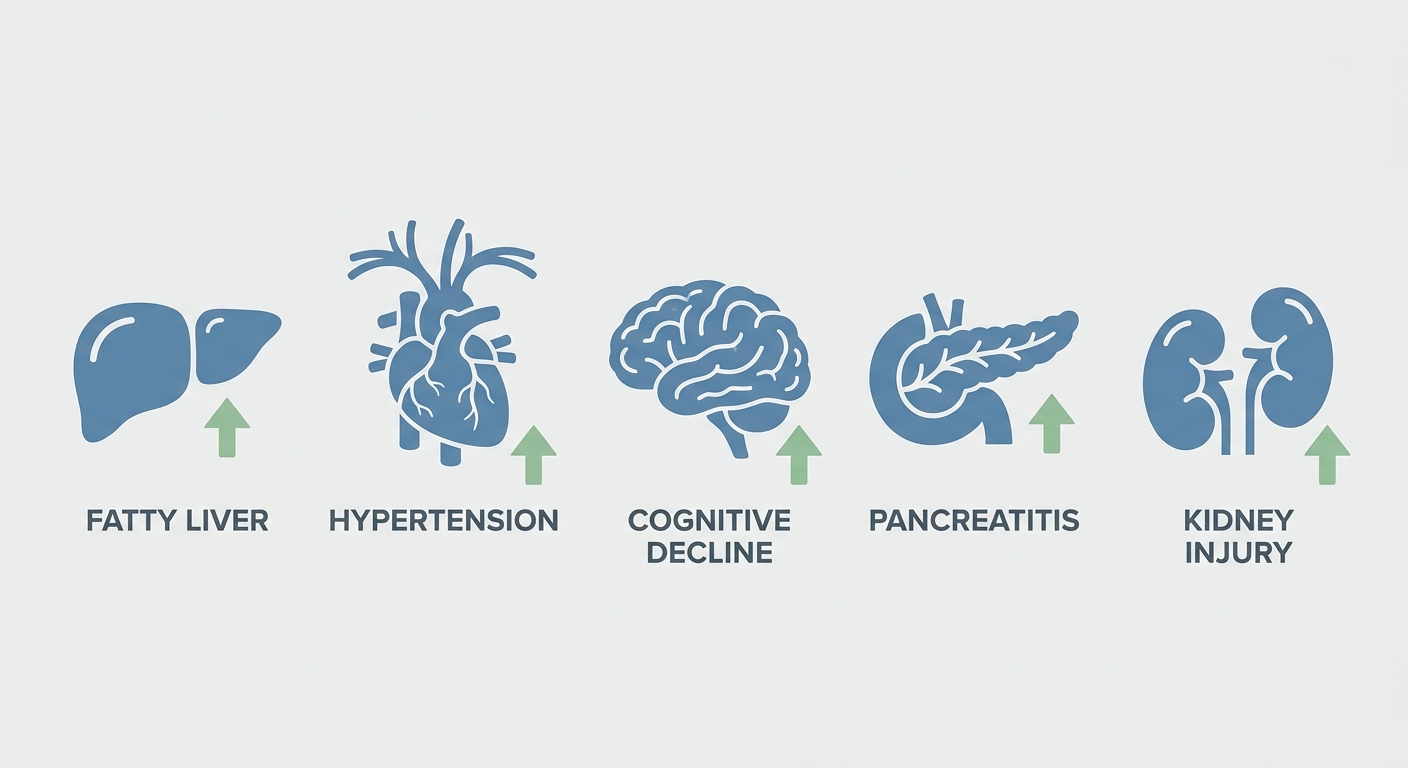
Five organ systems impacted by chronic substance use and recovery potential
The brain, in particular, undergoes significant structural changes, but it also holds remarkable potential for recovery.
The Brain: Structural Changes and Recovery Potential
Chronic substance use directly alters brain architecture, causing thinning of the cerebral cortex, loss of white matter integrity, and measurable atrophy. These changes contribute to problems with memory, decision-making, and emotional regulation. CDC-published data emphasize that the risk of cognitive decline rises with prolonged heavy drinking and drug use. However, neuroplasticity--the brain's ability to reorganize and form new connections--means that partial restoration is possible. With sustained abstinence, new neural pathways can emerge over months to years, improving executive function and emotional stability. While full reversal is not guaranteed, many individuals regain significant cognitive ground.
For those ready to address substance use, structured programs such as Opioid Addiction Treatment and Stimulant Addiction Treatment offer medical support and a path toward recovery. Results may vary based on individual patient conditions and circumstances.
The Biological Basis of Withdrawal Symptoms
At First Class OBGYN, we recognize that many women face complex health challenges, including substance use. If you are a woman seeking a gynecologist in Coral Springs Florida, understanding how withdrawal develops biologically can help you recognize when medical support is necessary. Our Expert Attentive Care team is committed to helping women navigate these concerns with compassion and evidence-based guidance.
What Is Withdrawal? The Brain's Attempt to Restore Balance
Withdrawal is the brain's natural attempt to restore equilibrium after it has adapted to the continuous presence of a substance. When someone uses a drug regularly, the central nervous system adjusts its chemical signaling to maintain function despite the drug's effects -- a process called homeostasis. Over time, the brain depends on the substance to feel normal. When use stops, the brain must recalibrate, leading to a wave of uncomfortable or dangerous symptoms. This physiological stress, combined with the accumulated strain from previous withdrawal episodes, creates an allostatic load that can make each subsequent withdrawal more difficult. According to the National Institute on Drug Abuse (NIDA), this shift from homeostasis to an elevated allostatic burden is central to the progression of addiction and why symptoms often worsen with repeated attempts to quit. In women, hormonal fluctuations can also influence withdrawal severity, making personalized medical guidance essential. At First Class OBGYN, we consider these biological factors when supporting patients who navigate both gynecological concerns and substance use challenges.
Withdrawal Patterns Across Substance Classes
Withdrawal syndromes vary dramatically depending on the type of substance used.
- Central nervous system depressants like alcohol and benzodiazepines produce the most dangerous withdrawal syndromes. Because these substances suppress brain activity, their removal leads to rebound excitation, which can cause seizures and delirium tremens. Research, including the kindling model, indicates that each withdrawal episode lowers the seizure threshold, making future detoxifications increasingly risky. Because alcohol withdrawal can be severe and even life-threatening, professional Alcohol Detox is often necessary. Women who are pregnant or have hormonal imbalances may face additional risks, and we encourage anyone struggling with alcohol dependence to seek immediate care.
- Stimulants such as cocaine and methamphetamine primarily trigger psychological withdrawal. Symptoms often include profound fatigue, depression, anhedonia, and sleep disturbances. Physical aches and increased appetite are also common. Although stimulant withdrawal is not typically life-threatening, the emotional distress can be overwhelming and may require therapeutic support. Substance use can also contribute to or worsen pelvic pain, and connecting with a pelvic pain specialist in Coral Springs Florida can be an important part of recovery.
- Opioid withdrawal, while intensely uncomfortable, is rarely fatal. It mimics a severe flu, with nausea, vomiting, diarrhea, muscle aches, and anxiety. Yet the risk of relapse is high if symptoms are not managed. Medical Drug Detox provides a safe environment to alleviate these symptoms and prevent complications. For women, underlying urogynecological health issues -- such as pelvic floor dysfunction -- can be exacerbated by chronic opioid use, and seeking urogynecology in Coral Springs Florida may help restore function and comfort.
Understanding these class-specific withdrawal patterns helps explain why individualized medical support is crucial during detoxification. We are here to provide the attentive and respectful care you deserve. Results may vary based on individual patient conditions and circumstances.
Medically Supervised Detoxification -- First Step in Recovery
Now that we understand the basics of addiction, let's examine the critical first step: medically supervised detox. While many women in Coral Springs Florida may start their wellness journey by seeing a gynecologist in Coral Springs Florida, understanding broader health topics like medically supervised detox can support overall recovery. A key component of recovery is medically supervised detox, which ensures withdrawal is managed safely under professional care. Detoxification, or simply detox, is the process of clearing substances from the body while managing withdrawal symptoms. This knowledge not only demystifies treatment but also underscores why professional help is so vital.
Why Medical Oversight Matters During Detox
Why is medical supervision so important? Withdrawal from alcohol, benzodiazepines, or polysubstance use can trigger severe complications: seizures, delirium tremens, and dangerous shifts in heart rate and blood pressure. Without constant oversight, these events can quickly become fatal. In a medically supervised setting, staff use tools like the Clinical Institute Withdrawal Assessment for Alcohol (CIWA-Ar) and the Clinical Opiate Withdrawal Scale (COWS) to monitor symptoms and adjust medications in real time. According to SAMHSA's Detoxification and Substance Abuse Treatment protocol, medical detox significantly reduces the risk of severe complications compared to unsupported withdrawal. The presence of nurses and physicians trained in addiction medicine ensures that any unexpected reaction is caught early and addressed immediately. Furthermore, 24/7 monitoring allows for prompt intervention if psychological distress or suicidal ideation surfaces, which can occur during withdrawal. After detox, many individuals transition to a Partial Hospitalization Program for continued support, where they receive intensive therapy while still living at home. As a gynecology practice, we understand that conditions managed by a specialist in urogynecology in Coral Springs Florida can intersect with broader health concerns, including addiction. That's why we believe in sharing this knowledge. At First Class OBGYN, we are here for you, and while we focus on women's health, we encourage patients to learn about all aspects of healing.
Medications Used in Medically Supervised Detox
Detox protocols incorporate medications tailored to each patient's needs. For alcohol withdrawal, benzodiazepines like diazepam or chlordiazepoxide help calm the central nervous system and prevent seizures. For opioid withdrawal, the National Institute on Drug Abuse (NIDA) recommends medications such as methadone or buprenorphine, which ease cravings and stabilize brain chemistry without producing a euphoric high. Clonidine, a blood pressure medication, can relieve autonomic symptoms like sweating, tremors, and rapid heartbeat that often accompany withdrawal. Naltrexone, an opioid antagonist that blocks the euphoric and sedative effects of opioids, is typically introduced after detox to help sustain abstinence. A pelvic pain specialist in Coral Springs Florida may address chronic discomfort that can emerge during withdrawal, as the body readjusts without substances. Expert attentive care during this phase is critical; medication must be closely supervised to avoid dependence or misuse. These medications, when part of a comprehensive treatment plan, dramatically improve the chances of long-term recovery. It's vital to remember that detox alone is not sufficient; ongoing therapy, counseling, or structured programming is essential for lasting change. We hope this information empowers you on your wellness journey. Please consult a healthcare professional for personalised medical advice and diagnosis.
Treatment Options After Detox
After completing detox, ongoing support is essential for maintaining sobriety and overall health--especially for women. At First Class OBGYN, we provide gynecological support to help you recover physically. While we do not treat addiction, our practice serves the Coral Springs area with convenient appointments for urogynecological and pelvic pain concerns. If you need a gynecologist in Coral Springs Florida, we are here to guide your health journey with expert attentive care, with flexible scheduling to suit you.
Levels of Care in Addiction Treatment
Medical detox is often just the first step in a full continuum of care. Many women transition from residential treatment or intensive outpatient programs to long-term recovery. At First Class OBGYN, we do not offer addiction treatment; instead, we complement these levels of care with essential gynecological support. Our team helps address physical changes that can result from substance use, ensuring you feel healthy and confident. We provide the following essential services:
- Consultations for pelvic floor health to restore muscle strength and function.
- Non-surgical vaginal rejuvenation to address changes in tissue elasticity and comfort.
- Follow-up care for menstrual irregularities, which are common during early recovery.
After completing a Residential Treatment program, many women find that addressing pelvic floor concerns through our urogynecology in Coral Springs Florida helps them regain physical stability. If you are experiencing persistent pain, our pelvic pain specialist in Coral Springs Florida can create a personalized plan to reduce discomfort during daily activities. By integrating gynecological wellness into your recovery, you gain the physical confidence needed to move forward.
Psychotherapy, Medication, and Support Groups
Psychotherapy, medication management, and mutual-help groups all play vital roles in maintaining sobriety. However, at First Class OBGYN we do not offer these services directly. Instead, we collaborate with trusted mental health professionals and can connect you with women-focused support groups that understand the challenges of post-detox life. Our role is to keep your physical health on track while you focus on emotional healing.
For women who are following an Intensive Outpatient Program, fitting in regular medical appointments can be difficult. We work with your schedule to offer supportive gynecological follow-ups that won't disrupt your treatment plan. From pelvic floor therapy to non-surgical rejuvenation, our services are designed to restore comfort and confidence as you rebuild.
Whether you are navigating early sobriety or well-established recovery, First Class OBGYN is committed to helping women restore their confidence through personalized gynecological care. This foundation of post-detox support prepares you for lasting health, which we will explore further in the next section on long-term wellness.
Brain Recovery and Neuroplasticity After Addiction
Understanding how addiction alters the brain naturally leads to the question of healing. Here we explore the remarkable process of recovery, grounded in the science of neuroplasticity. At First Class OBGYN, we believe that comprehensive wellness includes all aspects of health, from reproductive care to brain function. Just as you might see a gynecologist in Coral Springs Florida for routine checkups, a supportive recovery environment is essential for brain healing. We are here for you with Expert Attentive Care throughout your health journey. This section explains the brain's remarkable capacity to adapt and the typical timeline of recovery after substance use.
Neuroplasticity: The Brain's Ability to Heal
Neuroplasticity is the brain's ability to reorganize itself by forming new neural connections throughout life. This process allows the brain to adapt to experiences, learn new information, and recover from injury. When it comes to addiction, chronic substance use disrupts normal brain circuits involved in reward, stress, and executive control. According to the National Institute on Drug Abuse, prolonged drug use can cause lasting changes in the brain's chemistry and structure. However, neuroplasticity provides a pathway to healing. By abstaining from substances and engaging in healthy behaviors, the brain can gradually restore these circuits. For example, learning a new language or practicing mindfulness can strengthen neural pathways related to attention and self-control, illustrating how targeted activities spur adaptation. This rewiring involves both functional and structural changes, such as increased synaptic strength and the growth of new neurons in the hippocampus. Over time, with sustained abstinence and therapeutic support, the brain's natural plasticity can steer it back toward healthier functioning.
Timeframe of Cognitive and Emotional Recovery
For those embarking on recovery, finding a Drug Rehab Near Me can be the first crucial step toward lasting wellness. The brain's recovery follows a predictable timeline, with improvements occurring in phases:
- Immediate improvements (first few weeks) In the first few weeks of abstinence, many individuals experience better sleep quality, normalized appetite, and reduced anxiety. These changes reflect the brain's rapid rebalancing of neurotransmitters like serotonin and norepinephrine. As the body's stress response calms, patients often feel more stable and grounded.
- Mid-term recovery (1-6 months) As the prefrontal cortex regains function, attention, memory, and emotional regulation begin to improve. People often report feeling more in control of impulses and better able to manage stress. The brain strengthens connections that support decision-making and self-awareness, leading to clearer thinking and enhanced mood stability.
- Long-term changes (6 months and beyond) Craving intensity typically decreases as dopamine sensitivity gradually normalizes. Social cognition and empathy improve, allowing for deeper relationships. Many individuals also experience reduced physical tension; for those who have been consulting a pelvic pain specialist in Coral Springs Florida, this whole-body relaxation can complement pelvic floor treatments.
As cognitive function stabilizes, many women engaged in urogynecology in Coral Springs Florida notice that improved physical wellness complements their specialized care. The following visual summarizes these phases of brain recovery.
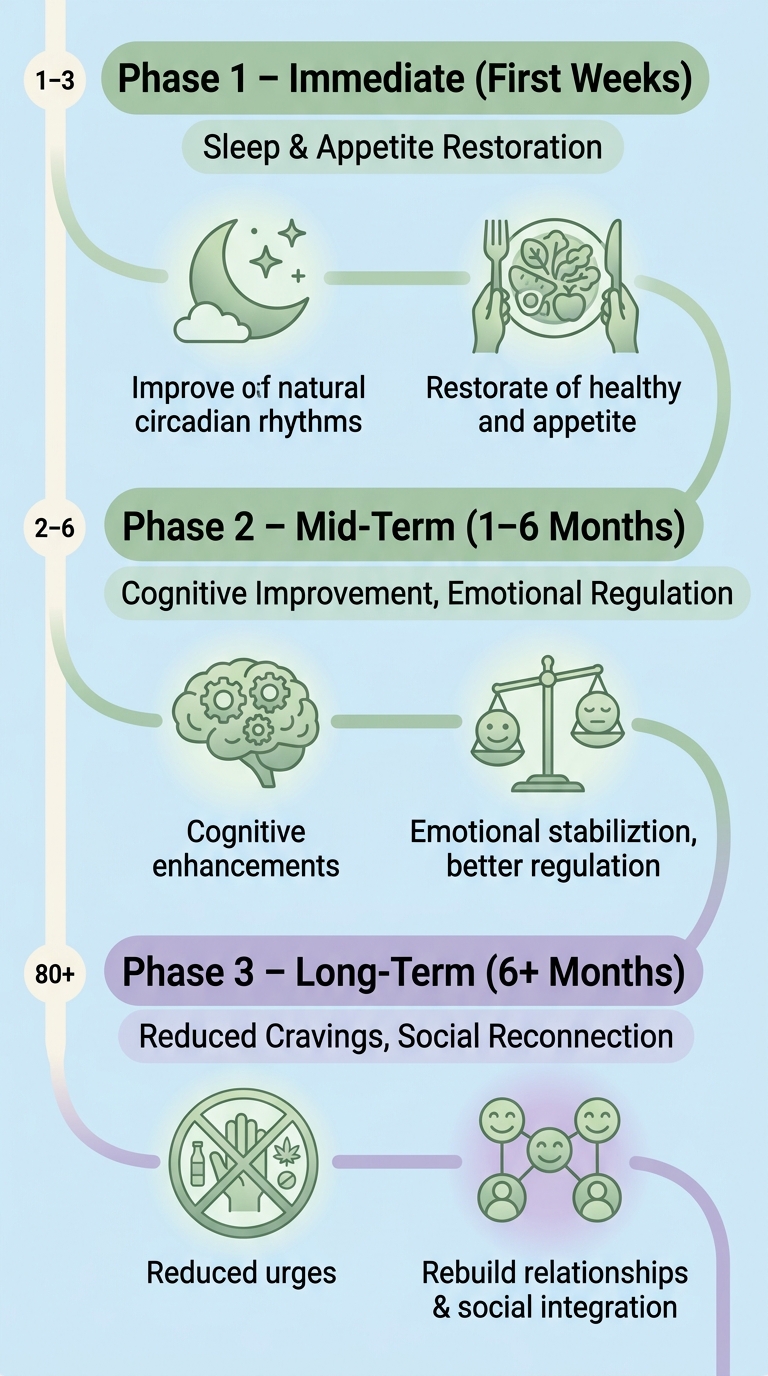
Three-phase brain recovery timeline from addiction
Understanding Relapse -- Lapse vs. Relapse and Recovery
Adopting new self-care habits, such as daily pelvic floor exercises or attending regular follow-ups, can feel empowering. Yet staying consistent with these behaviors often proves challenging. At First Class OBGYN, we believe understanding the difference between a temporary slip and a full return to old patterns is key to getting back on track. Relapse Prevention is part of our care philosophy, helping you stay committed to long-term well-being. If you're searching for a gynecologist in Coral Springs Florida who supports your recovery, we are here for you.
Triggers and the Stress-Vulnerability Model
In the context of gynecological care, a trigger is any situation that threatens your adherence to healthy behaviors. Common triggers include stress from work or family obligations, environmental cues like missed appointment reminders, negative emotions such as anxiety about test results, and discomfort from lifestyle changes (for example, adjusting to a new exercise regimen after surgery). At our urogynecology in Coral Springs Florida practice, we often see that women become more vulnerable to lapses when they are fatigued or juggling multiple responsibilities. The stress-vulnerability model explains that the risk of reverting to old habits increases when stress levels are high and coping resources are low. By recognizing these triggers early, you can take proactive steps to safeguard your recovery and maintain the progress you've made with your treatment plan.
Lapse vs. Relapse: How to Respond to a Slip
A lapse is an isolated, one-time slip -- for instance, forgetting to do your pelvic floor exercises for a single day -- while a relapse means you abandon the routine altogether and return to your previous patterns. It is important to understand that a lapse is not a failure; it is a learning opportunity. Many women feel shame after a slip, which can spiral into avoidance and make it harder to re-engage. Instead of letting guilt take over, approach yourself with compassion and re-commit to your plan. Research shows that cognitive-behavioral strategies like CBT Therapy can help you manage the negative thoughts that fuel setbacks. Our team, including a pelvic pain specialist in Coral Springs Florida, is ready to support you. Part of our Expert Attentive Care means we listen without judgment and help you adjust your routine or schedule a follow-up appointment. Remember, recovery is a process -- results may vary based on individual patient conditions and circumstances. We are committed to helping women restore their confidence, one step at a time. Understanding these patterns prepares you to build lasting habits; read on for more relapse prevention strategies and practical guidance from our team today.
Hope and Help -- The Path Forward
If you are searching for a gynecologist in Coral Springs, Florida who understands that true wellness includes mental and emotional health, you have come to the right place.
The path forward often includes addressing both physical and behavioral health. Substance use can impact gynecologic and pelvic health, and at First Class OBGYN, we treat every patient with respect, confidentiality, and comprehensive care. We understand that seeking help takes courage, and we are committed to providing a safe, non-judgmental environment for every patient. For immediate, confidential support, we recommend the SAMHSA National Helpline, a free, 24/7 resource at 800-662-HELP (4357). Our expertise in urogynecology in Coral Springs, Florida means we can address the pelvic health issues that sometimes accompany substance use. For patients experiencing pelvic pain, our pelvic pain specialist in Coral Springs, Florida offers targeted, compassionate care. We can guide you toward the right Substance Use Treatment resources, including the free, confidential SAMHSA National Helpline.
We are here for you. When you choose a gynecologist in Coral Springs, Florida at our practice, you gain a partner committed to restoring your confidence and well-being. Schedule an appointment today and let us walk this path with you.
Please note: Results may vary based on individual patient factors. Consult a healthcare professional for personalized advice.
Controlled Substances and the Law
To ensure your safety and full understanding of your care, it is important to know how medications are regulated under federal law. If you are searching for a trusted gynecologist in Coral Springs Florida, understanding controlled substance regulations helps you make informed decisions. From post-surgical pain relief to weight management, certain prescriptions fall under a strict legal framework designed to protect you.
The Drug Enforcement Administration (DEA) classifies controlled substances into five schedules based on their accepted medical use and potential for abuse. Schedule I substances, such as heroin, have no accepted medical use and are not prescribed. Schedule II medications, including opioids like oxycodone, are used for severe pain after surgery but carry a high risk of dependence; for example, comparing options like Dilaudid vs Morphine can clarify expectations during recovery. Schedule III drugs, such as testosterone for hormone therapy, have a moderate dependence potential. Schedule IV substances, like diazepam for anxiety and phentermine for weight management, present lower risks. In cases where weight management is part of your care, your gynecologist may discuss the choice between Phentermine vs Vyvanse and how it integrates with a comprehensive plan. Schedule V products contain limited narcotics, often for cough or mild pain.
The U.S. Food and Drug Administration (FDA) plays a critical role by approving controlled substances for specific medical indications and setting strict labeling, manufacturing, and safety monitoring requirements. Any controlled substance prescribed at our practice has undergone rigorous FDA review to confirm its efficacy and safety when used appropriately. Providers must adhere to federal and state prescribing guidelines, including documentation of a valid medical purpose and participation in Prescription Drug Monitoring Programs (PDMPs) that help prevent misuse.
For women with chronic pelvic pain or pelvic floor conditions, controlled substances are sometimes incorporated under careful monitoring. If you are considering urogynecology in Coral Springs Florida, your provider may evaluate whether a Schedule III or IV medication can augment physical therapy and other non-pharmacologic treatments. A pelvic pain specialist in Coral Springs Florida can help determine if a short-term prescription is safe and beneficial while addressing the root causes of discomfort. We deliver Expert Attentive Care that is committed to helping women restore their confidence through safe, evidence-based protocols that comply fully with all legal requirements. Every visit includes a review of your full medical history to ensure any prescribed controlled substance is medically justified and closely monitored. We are here for you. With this legal framework in mind, the next section will discuss how we create a personalized, compliant treatment plan for you.


