


Table of Contents
Egg Retrieval Procedure Steps: What to Expect from Start to Finish
Egg retrieval procedure steps are a brief minor surgical procedure performed under anesthesia about 34 to 36 hours after a trigger injection, using transvaginal ultrasound aspiration and typically taking under 30 minutes. Patients undergo ovarian stimulation with fertility medications and are monitored with vaginal ultrasounds and blood tests to track follicle growth; an average of 8 to 15 oocytes are collected.
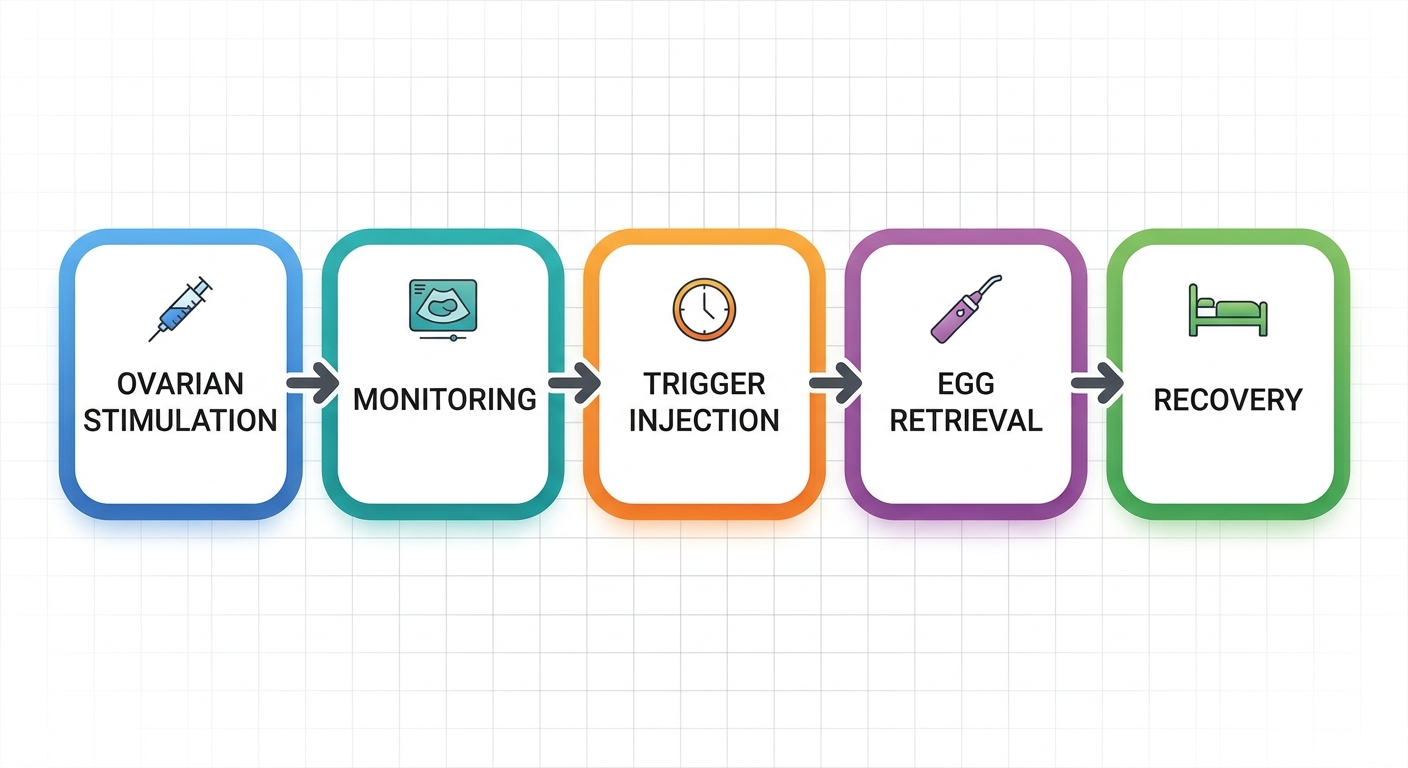
At our Miramar office, we provide expert attentive care from stimulation through recovery. Up to 20% of cycles may be cancelled before retrieval for inadequate follicle development, and embryos are typically transferred 3 to 5 days later unless a frozen transfer is planned. Age remains the single most significant factor influencing IVF success.
Before You Begin: Preparing for Your IVF Cycle
We at First Class OBGYN believe that thoughtful preparation before an in vitro fertilization cycle can help you feel more confident.
- Know your cycle timeline: A typical IVF cycle spans about two to six weeks. The trigger injection is given 34 to 36 hours before retrieval, and monitoring appointments begin early in stimulation, as noted by the Society for Assisted Reproductive Technology (SART).
- Discuss expected egg numbers with your doctor: SART data shows an average of 8 to 15 eggs are retrieved per cycle, but your individual outlook varies; ask your physician what numbers might be realistic for you.
- Be aware of cycle cancellation rates: According to the American Society for Reproductive Medicine, up to 20% of cycles may be cancelled before retrieval, often due to insufficient follicle development.
- Plan for time off and support: Daily ultrasounds and blood tests can require frequent clinic visits, and you will need a recovery day after retrieval. Arrange for flexible work hours and a partner, friend, or family member to assist you.
Once all this groundwork has been done, the next step is called 'ovarian stimulation'. This means taking special fertility drugs to help lots of your eggs start growing.
Step 1: Starting Ovarian Stimulation
The ovarian stimulation process attempts to cause the ovaries to produce more than their normal complement of ova, increasing the likelihood that one will develop into a healthy embryo.
Instructions
We explain all about giving yourself your daily injection and will show you where to put it under the skin once or twice per day according to what we've planned. We'll teach you how to store the medicine and get rid of used needles safely. The next visit (usually at around 3-5 days) is a vaginal scan combined with a blood test to check the follicles are growing properly.
Why It Matters
As a matter of fact, producing multiple eggs is critical, because not every egg will fertilize or develop into a healthy embryo. As per the ASRM, having extra eggs gives you a greater shot at getting at least one decent embryo that can later be transferred.
Tips
- Keep medication refrigerated and set a daily alarm.
- Mild bloating or mood changes are common; rest and hydration help, but call us if symptoms worsen. We are here for you.
Step 2: Monitoring Follicle Development
As soon as you start on medication for stimulation, we will schedule more regular checks to monitor the growth of your egg follicles.
Instructions
Transvaginal ultrasound lets us measure each follicle’s size and count, while blood tests monitor your estradiol level. According to the American Society for Reproductive Medicine, up to 20% of IVF cycles are cancelled before retrieval due to inadequate development, so these frequent checks help us adjust your medication dose and timing for the best response.
Why It Matters
Showing up for all scheduled appointments will enable us to recognize if there have been any slow responses or indications of overstimulation in advance. According to Society For Assisted Reproductive Technology practice guidelines, close monitoring decreases cycle cancellation risk and allows us to give you our trigger injection at just the right moment, allowing us to move on to egg retrieval.
Tips
- Plan your appointments in advance so you never miss a visit.
- Stay well-hydrated before blood draws and follow any fasting instructions.
- Tell us immediately if you feel pelvic pain, bloating, or other new symptoms between appointments.
Step 3: The Trigger Injection and Timing
Once your ultrasound and blood work reveal that all your follicles have made it up to the correct size, you get started on the final maturation trigger.
Instructions
The trigger shot (HCG or GnRH agonist) will be administered when your doctor says you're ready - this depends on how big your follicles have grown and what level they've reached in terms of hormones.
- Double-check your dosage against our written instructions.
- Use the injection site and technique (subcutaneous or intramuscular) as directed.
- Administer the shot precisely at the prescribed time.
Why It Matters
According to ASRM, egg retrieval is a surgical process carried out at the appropriate time. As per SART guidelines, retrieval should occur around 34-36 hours post-injection of the trigger shot, which gives enough time for eggs to undergo final maturation before ovulation happens.
Tips
Once you receive the shot, give us a ring at our Miramar location to verify your pickup date and time, then write down on paper what you said. Set up at least two alarms for the trigger time.
Step 4: Final Preparations on Retrieval Day
Then, after you have taken the trigger shot at the exact time your doctor prescribed, the next morning you'll prepare for the egg retrieval.
Instructions
- Fasting: Nothing to eat or drink after midnight.
- Arrival: Arrive at least 30 minutes before your retrieval.
- Attire: Wear loose, comfortable clothing; leave jewelry at home.
- Transport: Arrange a responsible adult to drive you—sedation makes driving unsafe.
Why It Matters
The process of harvesting eggs entails using anesthesia, according to information from the Society for Assisted Reproductive Technology. Your stomach must be empty in order to avoid being aspirated, stomach contents can enter the lungs, and the anesthesia personnel can monitor you more readily.
Tips
- Brushing teeth: It’s fine to brush, but avoid swallowing water or mouthwash.
- Medications: Continue most routine medications, especially for thyroid or blood pressure, unless we have told you otherwise.
With the above-mentioned steps completed, you'll be ready to go to the clinic for the egg retrieval procedure.
Step 5: The Egg Retrieval Procedure
The egg retrieval procedure is minimally invasive and is performed under anesthesia. This process typically lasts under 30 minutes.
Instructions
- The retrieval is timed precisely 34 to 36 hours after the trigger.
- Using transvaginal ultrasound guidance, a thin needle is passed through the vaginal wall into the ovaries to aspirate the fluid and eggs from each follicle.
- According to SART, 8 to 15 eggs are typically retrieved.
- Most patients are comfortable under sedation and return home the same day.
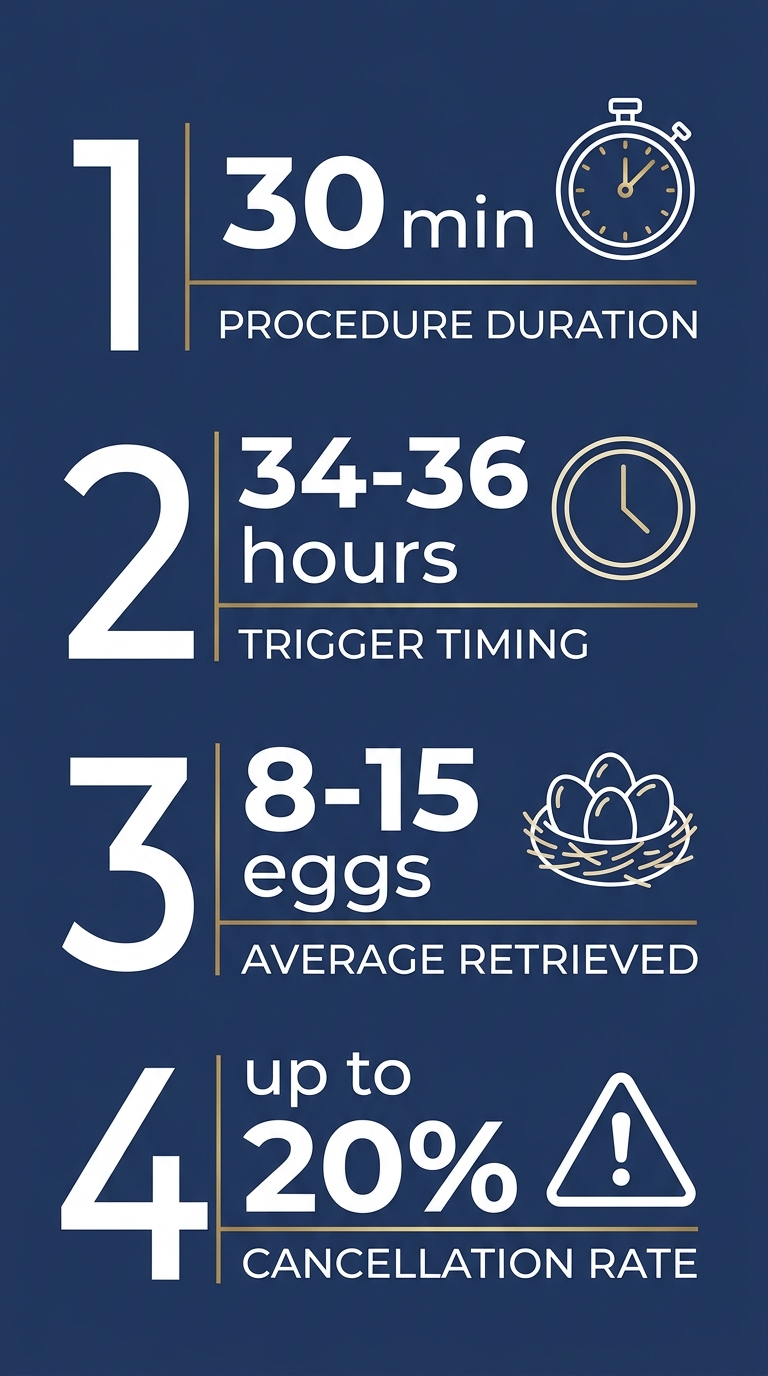
Key statistics: duration, timing, typical count, and cancellation rate
Why It Matters
Egg retrieval in in-vitro fertilization is both safe and effective. However, according to ASRM guidelines, up to 20% of cycles are cancelled before retrieval due to inadequate follicle development.
Tips
If you haven't already, watch our short egg collection instructional clip to help get ready.
Step 6: Immediate Post-Procedure Recovery
Following your egg collection procedure, you will then be placed in a comfortable recovery area.
Instructions
Your health care team will check your vital signs and pain level. Mild cramping and bloating are common; a hot pack or prescribed pain medication can help. You'll have to hang out here till your vital signs stabilize, can tolerate fluid orally, and pass urine on your own. We give you specific instructions for when you go home from hospital and remind you to call us if there are any concerns.
Why It Matters
According to the American Society for Reproductive Medicine guidelines, proper post-procedure care can reduce complication risks, ensuring you're healthy enough to leave the clinic.
Tips
- Drink plenty of water or electrolyte-containing beverages to stay hydrated and reduce bloating.
- Rest quietly and use a heating pad for cramping discomfort.
- Follow discharge instructions and call us if you experience heavy bleeding or severe pain.
As you're about to leave the doctor’s office, they’ll provide guidelines on what you should be doing now that you’re back home recovering.
Step 7: At-Home Recovery and Next Steps
Following egg retrieval, you leave the South Florida center and enter home recovery, where you will need to be hands-on.
Instructions
Because egg retrieval is a minor surgical procedure done while you're sedated, according to SART recommendations, plan to rest for the rest of the day. Don't lift anything that would strain your body, don't engage in any strenuous activity or exercise. Start to return to your normal activities when your level of discomfort permits. We'll keep you posted on embryo development but watch for signs of trouble -- increased pain, heavier bleeding, or fever. Call right away should you notice any of these symptoms.
Why It Matters
Gentle recovery lowers ovarian hyperstimulation syndrome (OHSS) risk. ASRM data indicates up to 30% experience mild OHSS, so resting now supports your health and reduces complications.
Tips
Have high-protein foods on hand such as eggs, chicken, and beans while also consuming anti-inflammatory options such as berries and leafy greens. Be sure to avoid drinking alcohol, consuming caffeine, and heavy lifting during the first few days.
Most recoveries are smooth; the next section addresses common concerns.
Troubleshooting Common Concerns After Egg Retrieval
When you get home from your procedure, you'll probably start asking yourself all kinds of questions about how you're feeling. It's called a retrieval, which is a minor procedure that is done while you are sedated. It takes less than 30 minutes in total according to the American Society for Reproductive Medicine. You may experience mild cramping, bloating, and light bleeding as you recover from the procedure. Take it easy on yourself, drink plenty of fluids, and keep an eye out for any unusual side effects.
What is OHSS and what symptoms should I watch for? Ovarian hyperstimulation syndrome occurs when the ovaries swell and leak fluid after stimulation. Up to 30% of women experience mild OHSS—bloating, tenderness, and nausea—which can often be managed at home with rest and electrolyte-rich fluids. Severe OHSS, which happens in up to 2% of cycles, requires immediate attention. Symptoms include rapid weight gain (more than 2 pounds in a day), severe abdominal pain, vomiting that prevents drinking, or difficulty breathing. Though severe OHSS can be alarming, major complications requiring surgery occur in fewer than 1 in 1,000 patients (American Society for Reproductive Medicine).
When to seek immediate help
- Heavy vaginal bleeding (soaking a pad within an hour)
- Severe or sharp abdominal or pelvic pain that is not relieved by rest
- A fever of 100.4°F (38°C) or higher
- Persistent nausea or vomiting that keeps you from drinking fluids
- Sudden shortness of breath or chest pain
If you ever feel uncertain about your symptoms, please reach out to our team. At First Class OBGYN, we are committed to supporting you through every step of your recovery. Most women feel back to themselves within a few days, and our compassionate team is here for anything you need.
Partnering with First Class OBGYN for Your Fertility Journey
After addressing common concerns that can arise following egg retrieval, it’s reassuring to have a dedicated team by your side. We support you through every phase, from ovarian stimulation and meticulous monitoring to the retrieval itself, so you can feel informed and empowered. Whether you’re exploring the egg retrieval procedure steps or ready to move forward, we provide personalized infertility care and IVF services at our offices in Miramar, Pembroke Pines, and Weston. Our board-certified OB/GYN, Dr. Laviniu Anghel, is dual-certified in the US and EU and leads a multilingual team fluent in English, Spanish, and Romanian, ensuring you receive compassionate, patient-centered care. To schedule a confidential consultation, call us at (954) 507-4494. Results may vary based on individual patient conditions and circumstances. Please consult a healthcare professional for personalised medical advice and diagnosis.
Begin Your Fertility Journey Today
You have now learned the key egg retrieval procedure steps, from ovarian stimulation through recovery. Understanding the average 8 to 15 oocytes retrieved and the precise 34- to 36-hour trigger timing helps you feel prepared. Now that you have a clear picture of this minor surgical step, you can consider your next fertility decision. We offer board-certified, personalized IVF care in South Florida, with multilingual support in English, Spanish, and Romanian. Our team is ready to guide you through each phase with expert attentive care. Schedule your consultation to discuss your individual fertility journey at one of our offices in Miramar, Weston, or Pembroke Pines. Call (954) 507-4494 or visit our website to take the first step.
Begin Your Fertility Journey Today


