Do you find our website to be helpful?
Yes   No
Skip to main content

First Class OBGYN

OB-GYN located in Florida

About Practice

At First Class OB/GYN in South Florida, Dr. Anghel provides women with treatment and care for a wide range of gynecological and urinary problems, as well as obstetric care. He’s a board-certified obstetrician and gynecologist in the United States and a board-certified surgeon in the European Union.

Dr. Anghel stays current on the latest technology, techniques, and treatments in order to provide women with the safest and most effective care. He’s committed to ensuring that patients feel comfortable and confident about the treatments and care they receive, whether they need obstetric care, gynecological treatments, or urogynecological treatments. Dr. Anghel speaks English, Romanian, and Spanish, allowing him to communicate clearly with all patients.

Dr. Anghel earned his medical degree from the Carol Davila University of Medicine and Pharmacy in Bucharest, Romania. He completed a general surgery residency at the same school and an OB/GYN internship at Panait Sarbu Hospital in Bucharest before coming to the U.S. to do a residency in OB/GYN at Flushing Hospital Medical Center in Queens, New York.

Dr. Anghel’s dedication to making sure that he provides the highest quality care for women in is reflected in his many board certifications and professional affiliations. In addition to being board-certified, he’s also a Fellow at American College of Obstetricians and Gynecologists and a member of the American Congress of Obstetricians and Gynecologists. Dr. Anghel’s knowledge and expertise in minimally invasive surgery have also earned him a place in the American Association of Gynecologic Laparoscopists. 

At First Class OB/GYN in South Florida, Dr. Anghel provides women with treatment and care for a wide range of gynecological and urinary problems, as well as obstetric care. He’s a board-certified obstetrician and gynecologist in the United States and a board-certified surgeon in the European Union.

Dr. Anghel stays current on the latest technology, techniques, and treatments in order to provide women with the safest and most effective care. He’s committed to ensuring that patients feel comfortable and confident about the treatments and care they receive, whether they need obstetric care, gynecological treatments, or urogynecological treatments. Dr. Anghel speaks English, Romanian, and Spanish, allowing him to communicate clearly with all patients.

Dr. Anghel earned his medical degree from the Carol Davila University of Medicine and Pharmacy in Bucharest, Romania. He completed a general surgery residency at the same school and an OB/GYN internship at Panait Sarbu Hospital in Bucharest before coming to the U.S. to do a residency in OB/GYN at Flushing Hospital Medical Center in Queens, New York.

Dr. Anghel’s dedication to making sure that he provides the highest quality care for women in is reflected in his many board certifications and professional affiliations. In addition to being board-certified, he’s also a Fellow at American College of Obstetricians and Gynecologists and a member of the American Congress of Obstetricians and Gynecologists. Dr. Anghel’s knowledge and expertise in minimally invasive surgery have also earned him a place in the American Association of Gynecologic Laparoscopists. 


Read less

Hormone Therapy in Pembroke Pines, Florida: A Guide for Women

For women exploring hormone therapy in Pembroke Pines, relief from menopause symptoms like hot flashes, night sweats, and vaginal dryness is within reach. At First Class OBGYN, we provide expert and attentive care, recognizing that no two women's experiences are the same--treatment must be individualized.

According to the American College of Obstetricians and Gynecologists (ACOG), menopausal hormone therapy (HT) effectively reduces vasomotor symptoms and helps prevent bone loss, but it also carries risks such as blood clots, breast cancer, and cardiovascular events, particularly with long-term use. Our practice follows ACOG's evidence-based guidelines to help you weigh these factors. We consider the type of hormones--estrogen only or combined with progestin--the route of administration (pill, patch, or topical cream), and the ideal duration of therapy. For some women, bioidentical hormone therapy may be discussed, but we emphasize FDA-approved options over unregulated compounded hormones to ensure safety and consistency.

If you are considering hormone therapy, we encourage you to schedule a personalized risk-benefit assessment. Our team delivers expert and attentive care to help you feel comfortable and confident through every stage of a woman's life. Learn more about our obgyn services and take the first step.

What Is Hormone Therapy and How Does It Work?

For many women, these symptoms can significantly impact quality of life. Hormone therapy in Pembroke Pines offers an effective way to manage them by replacing declining hormones. By restoring balance, this approach helps relieve hot flashes, night sweats, and vaginal dryness, allowing women to feel more like themselves again.

What Is Hormone Therapy?

Hormone therapy, also called menopausal hormone therapy, replaces the estrogen and progesterone a woman's body stops producing after menopause. According to the American College of Obstetricians and Gynecologists (ACOG), menopause occurs around age 51, and perimenopause begins in the mid-40s, causing symptoms like hot flashes, night sweats, and vaginal dryness. HT restores these hormones, easing symptoms and protecting bone health.

There are two main forms: estrogen therapy (ET) for women without a uterus and combined estrogen-progestogen therapy (EPT) for those with a uterus. Because estrogen alone can cause the uterine lining to overgrow and increase the risk of endometrial cancer, EPT includes progestogen to protect the uterus. ACOG guidelines emphasize that the choice between ET and EPT depends on a woman's medical history and the presence of her uterus--a critical safety distinction.

Types of Hormone Therapy: Systemic vs. Local

Systemic hormone therapy delivers hormones throughout the body, effectively relieving moderate to severe hot flashes and night sweats. Options include oral pills, transdermal patches, gels, and sprays that raise blood hormone levels.

Local low-dose therapy uses vaginal rings, creams, or tablets designed to act directly on vaginal and urinary tissues. These preparations release a small amount of hormone with minimal systemic absorption, making them ideal for treating vaginal dryness, itching, and discomfort during intercourse, as well as urinary urgency.

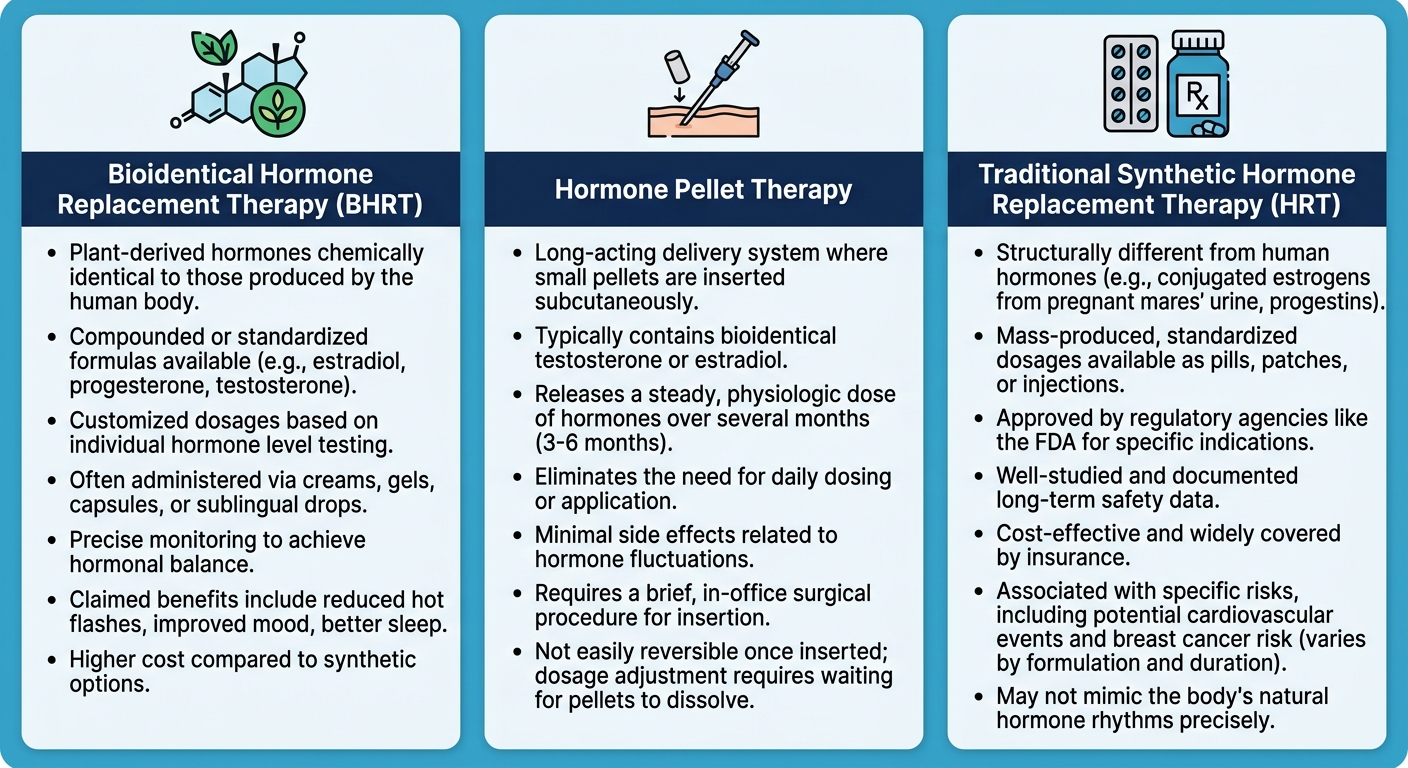
When selecting a hormone option, it is helpful to understand bioidentical hormone therapy. Bioidentical hormones are chemically identical to the body's own hormones. Some, such as estradiol and micronized progesterone, are FDA-approved manufactured products. Others are custom-compounded in pharmacies without FDA oversight. The Menopause Society notes that compounded bioidentical preparations can vary in strength and purity, which makes them less predictable than standardized options. For safety and consistency, ACOG recommends FDA-approved hormone therapies over unregulated compounded formulations.

Who Is a Candidate for Hormone Therapy?

Hormone therapy is most beneficial and carries the fewest risks for women who start treatment within 10 years of their final menstrual period and are younger than 60. The ideal candidate typically experiences moderate to severe vasomotor symptoms--such as frequent hot flashes or drenching night sweats--that disrupt daily life and sleep. Women with a history of early menopause or premature menopause may also be strong candidates, as HT can protect against bone loss and fractures.

However, HT is not appropriate for everyone. ACOG advises against systemic hormone therapy for women with a personal history of breast cancer, blood clots, stroke, or severe liver disease. A thorough medical evaluation is mandatory before beginning any hormone regimen. At our practice, we conduct a detailed review of your personal and family medical history, blood pressure assessments, and an overall risk profile to ensure HT is a safe choice for you. If you are experiencing moderate to severe vasomotor symptoms, schedule a consultation to explore hormone replacement therapy Pembroke Pines with our expert team.

Understanding these foundational aspects of hormone therapy prepares you for a more informed discussion about its benefits and risks.

Benefits and Risks of Hormone Therapy for Menopause

Now that we understand what hormone therapy (HT) entails, let's explore its benefits and risks. For women in Pembroke Pines considering hormone therapy, understanding the evidence is essential to an informed decision. We'll review how HT relieves symptoms, supports long-term health, and where caution is advised so you can feel comfortable and confident in your care choices.

Relief from Common Menopause Symptoms

The most immediate benefit of menopausal hormone therapy is relief of moderate-to-severe hot flashes and night sweats. According to ACOG, HT effectively treats vasomotor symptoms affecting most women during menopause. Many patients also report improvement in vaginal dryness, sleep disturbances, and mood fluctuations, restoring daily comfort and emotional well-being. For women in Pembroke Pines, Hormone Replacement Pembroke Pines can provide effective relief from hot flashes, night sweats, and other disruptive symptoms. The WHI reanalysis supported by The Menopause Society underscores that for women under 60 or within 10 years of menopause onset, the benefit-to-risk ratio strongly favors HT, making it an excellent option for those seeking rapid symptom relief.

Long-Term Health Benefits

Beyond daily comfort, systemic estrogen therapy offers significant long-term gains. ACOG notes that systemic HT protects against accelerated bone loss, reducing osteoporosis fracture risk by an estimated 25 to 30 percent. When started early, the timing hypothesis suggests additional cardiovascular protection: The Menopause Society data indicate that women initiating therapy within 10 years of menopause may experience lower rates of coronary heart disease and all-cause mortality. Some evidence also points to possible cognitive benefits near menopause onset, though starting after age 65 is not recommended. These benefits underscore the importance of early, medically guided intervention.

Understanding the Risks and Side Effects

Like any therapy, hormone therapy carries certain risks that must be weighed against its benefits. ACOG explains that combined estrogen-progestin therapy is linked to a small increased risk of breast cancer, whereas estrogen-alone therapy does not show this association. Both forms, particularly oral preparations, elevate the risk of venous thromboembolism and stroke. However, The Menopause Society emphasizes that the absolute risk for healthy women under 60 starting HT within 10 years of menopause is very low. Common initial side effects like temporary vaginal spotting, breast soreness, and bloating usually resolve within months. We openly discuss these risks at our practice so you can make an informed choice.

Bioidentical Hormones: Are They Safer?

Many patients ask whether bioidentical hormone therapy is safer. FDA-approved bioidentical hormones have a proven safety and efficacy similar to synthetic versions. Compounded bioidentical hormones, however, lack FDA oversight and vary in potency; ACOG does not recommend them. At First Class OBGYN, we provide expert and attentive care by offering FDA-approved bioidentical hormone therapy as part of our advanced, least invasive gynecologic surgery and menopause care, ensuring the safest and most effective treatment for women at every stage of life.

With this balanced perspective on benefits and risks, the next step is to understand the different forms of HT and which may be right for you.

Understanding how hormone therapy is administered and tailored to your unique needs is key to managing menopausal symptoms effectively. For women exploring Hormone Replacement Therapy Pembroke Pines, our practice provides comprehensive guidance, and hormone therapy Pembroke Pines residents can trust us to deliver individualized care based on the latest medical standards.

Different Forms of Hormone Therapy

Menopausal hormone therapy comes in several FDA-approved delivery forms, each with distinct advantages. Oral pills are convenient but undergo first-pass liver metabolism, which can increase the risk of venous thromboembolism (VTE) and affect clotting factors. Transdermal patches, gels, and sprays deliver estrogen through the skin, bypassing liver processing and potentially offering a lower VTE risk--a benefit noted by the American College of Obstetricians and Gynecologists (ACOG). Vaginal rings and low-dose vaginal creams primarily target local symptoms like vaginal dryness with minimal systemic absorption. Transdermal gels and sprays also provide flexible daily dosing, making them a good fit for women who need personalized symptom relief.

For women interested in bioidentical hormone therapy, FDA-approved options include the estradiol patch and micronized progesterone. The North American Menopause Society (NAMS) distinguishes these regulated products from compounded bioidentical hormones, which lack consistent quality and safety oversight. Our practice focuses exclusively on FDA-approved forms to ensure the safest and most effective care, allowing you to feel comfortable and confident with your treatment choice.

Regimens: Continuous vs. Cyclic Therapy

The type of regimen depends on whether you have a uterus. Women with a uterus require both estrogen and a progestogen to protect the uterine lining. In the cyclic regimen, estrogen is taken daily, and progesterone is added for 12-14 days each month, leading to predictable monthly withdrawal bleeding similar to a menstrual period. In contrast, the continuous combined regimen delivers both hormones every day, typically eliminating monthly bleeding--a feature many women prefer. According to ACOG, cyclic therapy uses progestin for 10 to 14 days each month.

For women without a uterus, estrogen-alone therapy is prescribed, as there is no risk of endometrial cancer. This approach simplifies treatment and often involves a single estrogen agent without progesterone. The regimen selected directly impacts bleeding patterns and long-term compliance, so we carefully discuss expectations with each patient. We tailor the regimen to your lifestyle, symptom severity, and bleeding preferences.

Individualizing Your Treatment Plan

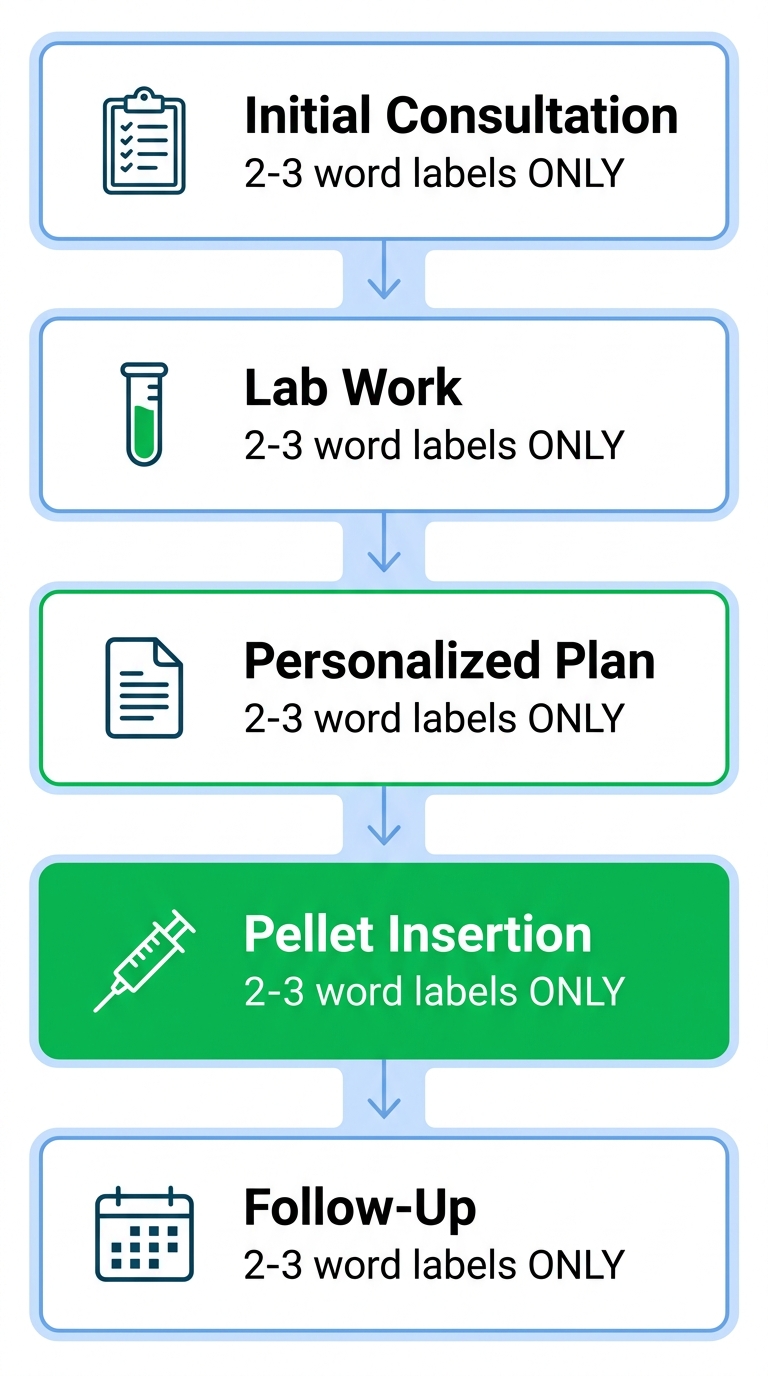
At our practice serving women seeking hormone therapy Pembroke Pines, we begin with an initial consultation that includes a detailed symptom assessment--hot flashes, sleep disturbances, vaginal dryness--and a thorough cardiovascular and breast cancer risk evaluation. Dr. Anghel considers your age, time since menopause, and personal preferences to recommend the most appropriate hormone therapy form and regimen. This shared decision-making process ensures you receive expert and attentive care. We take time to answer all your questions and explain the rationale behind each recommendation.

We believe the safest and most effective care emerges when patients feel comfortable and confident in your plan. The goal is to tailor therapy to your unique symptoms, lifestyle, and health goals. Once your personalized approach is established, we monitor your response closely and adjust therapy as needed to optimize results and address any concerns.

Balanced infographic comparing benefits and risks of hormone therapy for menopause

Visual overview of hormone therapy benefits and risks based on clinical evidence

How hormone therapy is tailored: form, regimen, and personalized plan

Best Practices for Starting and Managing Hormone Therapy

Once you and your doctor have decided that hormone therapy is appropriate, following best practices ensures safety and effectiveness. For women considering Hormone Therapy Pembroke Pines, our practice offers individualized, expert and attentive care grounded in the latest clinical guidelines.

How Long Should You Take Hormone Therapy?

For women using menopausal hormone therapy, the guiding principle is to use the lowest effective dose for the shortest time needed, but many healthy women can continue long-term under annual reassessment. According to The Menopause Society, there is no arbitrary time limit; the decision depends on individual benefits versus risks. We evaluate symptom control, quality of life, and health profile each year before recommending continuation. For women who begin HT within 10 years of menopause or before age 60, the benefits often outweigh potential risks, and we tailor the regimen to sustain relief safely.

Monitoring and Adjusting Your Treatment

We schedule annual follow-ups to monitor your response. We evaluate symptom relief, side effects, and bleeding patterns, adjusting the dose or route as needed. The American College of Obstetricians and Gynecologists (ACOG) recommends yearly medical reviews. We may switch from oral to transdermal estrogen to reduce clotting risk, or adjust progestin scheduling to minimize bleeding. If you develop new cardiovascular risk factors, blood clots, or breast concerns, we re-evaluate whether HT remains safe. Additionally, if you become pregnant while on HT--uncommon but possible--we provide comprehensive low and high risk pregnancy care to ensure continuity of expert support.

Lifestyle Changes to Support Hormone Therapy

Complementary lifestyle habits can enhance the benefits of hormone therapy and lower health risks. We encourage a balanced diet rich in calcium and vitamin D to protect bone density, which is especially important during menopause. Aim for at least 30 minutes of weight-bearing exercise most days of the week--walking, jogging, or strength training all help maintain cardiovascular and musculoskeletal health. Stress reduction techniques such as mindfulness or yoga, smoking cessation, and limiting alcohol to one drink per day further support your well-being. Our team provides personalized guidance so that every stage of your journey is supported by proven, whole-health strategies.

Alternatives to Hormone Therapy

For women who cannot or choose not to use hormone therapy, several evidence-based non-hormonal options are available.

  • SSRIs/SNRIs such as paroxetine and venlafaxine reduce hot flashes and improve mood.
  • Gabapentin and clonidine are off-label alternatives for vasomotor symptoms.
  • Cognitive behavioral therapy (CBT) helps manage sleep disturbances and psychological distress.
  • Phytoestrogen supplements and herbal remedies have limited evidence and should not replace standard treatment.

While bioidentical hormone therapy is sometimes sought as a natural alternative, it remains a form of hormone therapy; ACOG advises that compounded bioidentical products lack FDA oversight and may vary in purity. Our team can help you explore the choice that fits your health profile.

By following these best practices, we help you achieve symptom relief while prioritizing the safest and most effective care. In the next section, we will discuss managing potential side effects.

Next Steps for Your Menopause Journey in Pembroke Pines

Now that you have a clearer understanding of your menopause journey and the many options available, exploring Hormone Therapy Pembroke Pines is an important next step. We invite you to schedule a consultation at First Class OBGYN in Pembroke Pines for a personalized evaluation of your hormone therapy needs. Our team brings board-certified expertise and a comprehensive approach to menopause management, ensuring you receive individualized attention.

The North American Menopause Society (NAMS) provides a Find a Menopause Practitioner directory, a reliable tool to verify that any provider you consider has specialized training in menopause care. Treatment plans--including menopausal hormone therapy and bioidentical hormone therapy--should be carefully tailored to your unique health profile and goals. At our practice, we take the time to discuss all options, so you can make informed decisions about your care.

At First Class OBGYN, we provide expert and attentive care for women at every stage of a woman's life. We are dedicated to helping you feel comfortable and confident as you navigate this transition. Contact us today to take the next step toward better hormone health.

This article was researched and written with the assistance of AI tools.

Resources

Testimonials

Words from our patients

  • Google+

    "Dr. Anghel delivered my baby and I could have not been more happy with having him as my doctor. His staff is amazing and I highly recommend him to any expecting mom. "

    Crystal R.
  • Healthgrades

    "I consider him to be a highly skilled and knowledgeable OB/GYN doctor. He genuinely cares about his patients and I would highly recommend him."

    Catherine H.
  • Healthgrades

    "Dr. Laviniu did my recent surgery removing a cyst. He made me feel comfortable and was very informative."

    Catherine F.
  • Vitals

    "If you're looking for a highly skilled, warm and personable OB/GYN doctor, Dr. Anghel is the right doctor for you."

    Verified Patient
  • Vitals

    "Very professional and pleasant bed side manner. Dr Anghel addressed all my concerns and made me feel comfortable."

    Verified Patient
  • Vitals

    "Very professional and pleasant bed side manner. Dr Anghel addressed all my concerns and made me feel comfortable."

    Verified Patient
Our Locations

Choose your preferred location