


Table of Contents
Urinary Tract Infection Care in Fort Lauderdale, Florida
When you need professional urinary tract infection Fort Lauderdale care, our practice offers thorough evaluation and treatment in a comfortable, confidential setting. At First Class OBGYN, our team specializes in urinary tract infection care in Fort Lauderdale, providing expert diagnosis and personalized treatment plans for women across South Florida.
According to the Centers for Disease Control and Prevention, UTIs are among the most common bacterial infections, especially in women. Typical urinary tract infection symptoms include a burning sensation during urination, frequent urges to void, and pelvic discomfort. Recurrent urinary tract infections affect many women and may require a more comprehensive evaluation to identify underlying causes. Our board-certified physician, Dr. Laviniu Anghel, brings extensive experience in managing both simple and recurring UTIs using evidence-based protocols.
We are here to help you find relief with attentive, personalized care. Your treatment plan will be tailored to your specific symptoms and history, ensuring the most effective approach for your needs. With multilingual support in English, Romanian, and Spanish, we welcome patients from Fort Lauderdale and beyond to any of our convenient South Florida locations, including Miramar, Weston, and Pembroke Pines. We are committed to providing Expert Attentive Care for every woman who walks through our doors.
Understanding UTIs: Symptoms, Causes, and When to Seek Help
Urinary tract infections are one of the most common reasons women visit their gynecologist, and in warm, humid climates like ours, urinary tract infections in Fort Lauderdale are an especially frequent complaint. At First Class OBGYN, we provide Expert Attentive Care to women experiencing this uncomfortable condition, offering clear answers and rapid relief. Understanding what your body is telling you is the first step toward feeling better, and we are here for you every step of the way.
What Are the Common Symptoms of a Urinary Tract Infection?
The hallmark urinary tract infection symptoms can appear suddenly and are often quite distressing. A persistent and urgent need to urinate, even when your bladder is not full, is one of the most recognizable signs. This is frequently accompanied by a distinct burning sensation during urination, a symptom medically known as dysuria. Women may also notice changes in their urine, which can appear cloudy, pink-tinged from blood, or have an unusually strong and unpleasant smell. A feeling of pressure or cramping in the lower abdomen or pelvic area is another common indicator of a bladder infection.
It is important to note that mild UTIs can occasionally resolve without antibiotics as the body's immune system fights off the bacteria, but this is not guaranteed. Without treatment, a simple bladder infection can progress to a more serious kidney infection. Furthermore, a urinary infection can be distinguished from a vaginal infection like a yeast infection by the absence of typical vaginal symptoms such as itching, irritation, or an abnormal discharge.
First Signs You Might Have a UTI
The earliest signs of a UTI are often subtle but noticeable. You may experience a sudden, compelling urge to urinate that feels impossible to ignore, paired with a stinging or burning sensation as urine is passed. Quickly thereafter, you might observe that your urine looks cloudy or has a stronger, more pungent odor than normal.
When Back Pain Means a Serious Infection
Back pain, specifically in the mid-to-upper back on one side of the body, can be a red flag that a bladder infection has ascended to the kidneys. According to the Centers for Disease Control and Prevention, a kidney infection, or pyelonephritis, is a serious condition often accompanied by fever, chills, and nausea. This combination of symptoms requires immediate emergency medical care; please do not wait to see if they subside on their own.
Causes and Risk Factors: Why Do UTIs Happen?
A UTI begins when bacteria, most commonly Escherichia coli (E. coli) from the digestive tract, enter the body through the urethra and begin to multiply in the bladder. Women are disproportionately affected by this condition due to our anatomy; a shorter urethra significantly reduces the distance bacteria must travel to reach the bladder, and its proximity to the anus increases the likelihood of exposure. Several key risk factors can further elevate this risk. Sexual activity can introduce bacteria into the urinary tract, and the use of certain types of birth control, particularly spermicides and diaphragms, can also contribute to infections. Later in life, the hormonal shifts of menopause lead to a loss of estrogen and changes in the urinary tract lining, making post-menopausal women more vulnerable. For some, recurrent urinary tract infections may signal an underlying issue, such as a structural abnormality in the urinary tract or an infection with antibiotic-resistant bacteria, which warrants a thorough medical investigation.
Urinary Tract Infections During Pregnancy: Special Concerns
Pregnancy brings hormonal and physical changes that drastically increase the risk of developing a UTI. These infections are a particular concern, as they have been linked to serious complications if left untreated, including kidney infections and an increased risk of preterm labor. Prompt diagnosis and pregnancy-safe treatment are therefore absolutely critical to protect the health of both mother and baby.
When to See a Doctor for UTI Symptoms
While some discomfort can be managed at home, professional medical advice is essential in several specific situations. You should schedule a consultation with a doctor if your symptoms persist for more than 24 hours, if you notice blood in your urine, or if you are pregnant and suspect an infection. Early treatment is the most effective way to prevent a simple bladder infection from escalating into a complicated and dangerous kidney infection. We understand that waiting for relief is challenging, and our team at First Class OBGYN is dedicated to serving you with same-day appointments at our Fort Lauderdale area offices for rapid relief. For more information on UTI symptoms and treatment, visit our FAQ page.
Benefits of Professional UTI Evaluation and Treatment
Given the discomfort and risks of untreated UTIs, professional evaluation offers several key benefits. For women in Fort Lauderdale experiencing a urinary tract infection, comprehensive care ensures you receive an accurate diagnosis and a tailored treatment plan to get you back to feeling your best quickly.
Fast Access to Care: Same-Day and Urgent Appointments
When UTI symptoms strike, waiting for relief is not an option. We understand the urgency and offer same-day and next-day appointments for acute concerns at our offices in Miramar, in Weston, and in Pembroke Pines. If you need an urgent UTI treatment appointment, our team is ready to see you promptly. Rapid evaluation and treatment initiation can significantly reduce your discomfort and help prevent the infection from progressing to a more serious kidney issue. We are here for you with the prompt, attentive care you deserve.
On-Site Urine Testing for Accurate, Same-Visit Diagnosis
A key advantage of professional evaluation is the ability to perform diagnostic testing immediately, without sending you to an outside lab. During your visit, if you are experiencing urinary tract infection symptoms, we perform a urinalysis right here in our office. This quick dipstick test provides immediate clues about the presence of infection. For definitive confirmation and to pinpoint the exact bacteria causing your infection, we also send a urine culture for analysis. According to the National Institutes of Health, accurate diagnosis through testing is a cornerstone of effective UTI management. While the culture takes 24-48 hours for final results, we can prescribe a targeted antibiotic based on the urinalysis findings during your same visit, ensuring you start feeling better without delay.
Personalized Care for Recurrent Urinary Tract Infections
For women who experience frequent infections, a one-size-fits-all approach is often insufficient. We evaluate each woman individually to uncover the factors behind her recurrent urinary tract infections. Dr. Anghel takes the time to review your full history, including anatomical considerations, hormonal changes related to menopause, and bladder emptying efficiency. This comprehensive evaluation allows us to build a personalized prevention plan, which may include lifestyle adjustments like increased hydration, low-dose prophylactic antibiotics, or further urogynecological evaluation when appropriate. Our goal is to reduce the frequency and impact of these infections on your life, helping you find lasting relief. Individual treatment outcomes depend on patient factors and clinical circumstances.
Could Recurrent UTIs Be a Sign of a Larger Problem?
Recurrent infections can sometimes point to an underlying condition that requires specialized care. Our comprehensive evaluation can help identify issues such as a urethral diverticulum, interstitial cystitis, or incomplete bladder emptying often related to pelvic organ prolapse. By investigating these possibilities, we can move beyond treating just the symptoms and address the root cause of your discomfort.
With these advantages--speed, accuracy, and a deeply personalized approach--our comprehensive care helps you find lasting relief and prevent future infections. Contact our office in Miramar, Weston, or Pembroke Pines to schedule an evaluation and start your path to relief.
Your UTI Consultation and Treatment Journey
If you're experiencing symptoms of a urinary tract infection, our team at First Class OBGYN is here to help you every step of the way--from scheduling a prompt consultation in Fort Lauderdale through diagnosis, treatment, and follow-up. We make the process straightforward and comfortable so you can find relief as quickly as possible.
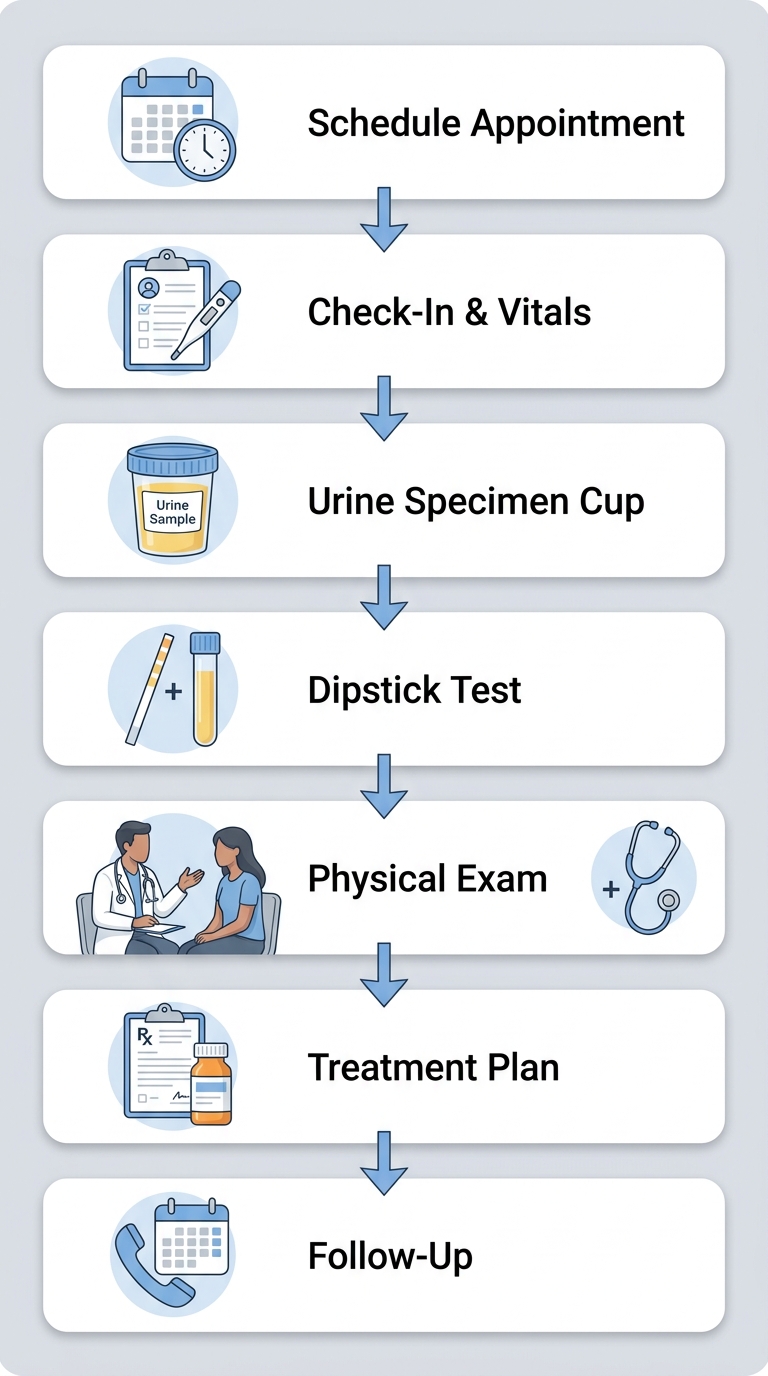
Complete UTI patient journey from scheduling to follow-up care
Scheduling Your UTI Consultation
When a urinary tract infection is causing you discomfort, timely care matters. We offer same-day and next-day appointment slots reserved specifically for patients who need a urinary tract infection evaluation in Fort Lauderdale. Simply call our office or use our online booking portal to secure a time. To help us prepare for your visit, it is helpful to have a few details ready: a description of your current urinary tract infection symptoms, how long they have been present, the number of UTIs you have had in the past year, and any known drug allergies, especially to antibiotics. Our scheduling coordinator will also ask for your preferred clinic location--whether in Miramar, Weston, or Pembroke Pines--so we can get you seen promptly.
Comprehensive Evaluation and Diagnostic Testing
When you arrive for your appointment, the check-in process is quick and private. A nurse will guide you to an exam area, record your vital signs, and ask a few questions about why you are visiting us today. If you have not already provided a urine sample, we will ask you to give a clean-catch midstream specimen--a simple process that only takes a moment, and we will explain how to do it correctly. To begin the evaluation, we perform an in-office urinalysis using a dipstick. This test provides immediate clues by detecting white blood cells, nitrites, and small amounts of blood, all of which often point toward an infection. When the dipstick result matches your symptom picture, we typically proceed to discuss treatment right away. For complicated symptoms or if you have had several episodes recently, our providers may also send part of the sample for culture. This additional test, available at our South Florida locations, takes 48 to 72 hours and tells us exactly which bacteria are present and which antibiotics should work best. In selected cases, the doctor may also perform a gentle abdominal palpation to assess bladder tenderness or, when clinically indicated, a brief pelvic exam to check for other sources of discomfort. Every part of the exam is performed with your comfort and dignity in mind.
What to Expect from Urine Testing
During your urine test, we look for key indicators that help confirm a urinary tract infection. Elevated white blood cells signal the body's immune response to an infection, nitrites are produced by certain common UTI-causing bacteria, and even small traces of blood can appear when the bladder lining is inflamed. Together, these results help us select the most appropriate treatment for you.
Customized Treatment Plan and Follow-Up Care
Once your evaluation is complete, we will design a plan that fits your clinical findings and personal needs. For most uncomplicated UTIs, we initiate an immediate short course of antibiotics--options such as nitrofurantoin or trimethoprim-sulfamethoxazole are typically prescribed--so you can begin feeling better without delay. If your case is complex or we are waiting for culture results, we may start symptom relief now and confirm the antibiotic choice once the lab report arrives. To ease urinary burning while the antibiotic takes effect, we may recommend phenazopyridine, along with increased water intake and temporary avoidance of caffeine and alcohol. When patients are dealing with recurrent urinary tract infections--defined as two or more episodes in six months or three or more in a year--we discuss additional strategies, including low-dose daily prophylactic antibiotics, single-dose antibiotics taken after intercourse, and, for postmenopausal women, vaginal estrogen cream. For a complete overview of UTI relief options in our area, refer to our urinary tract infection fort lauderdale guide. We also schedule a follow-up visit one to two weeks after treatment, particularly for recurrent cases, to make sure the infection has fully cleared. Once you are back to normal, we can turn our attention to strategies that help prevent future urinary tract infections.
Preventing Recurrent UTIs: Best Practices for Long-Term Health
Now that you understand what causes recurrent UTIs, let's focus on what you can do to prevent them. For women seeking long-term urinary health in Fort Lauderdale, adopting a few consistent habits can make a world of difference. While medication treats an active infection, your daily routine is the real foundation for keeping your urinary tract healthy. The strategies below are designed to support your body's natural defenses and reduce the chance that bacteria will take hold.
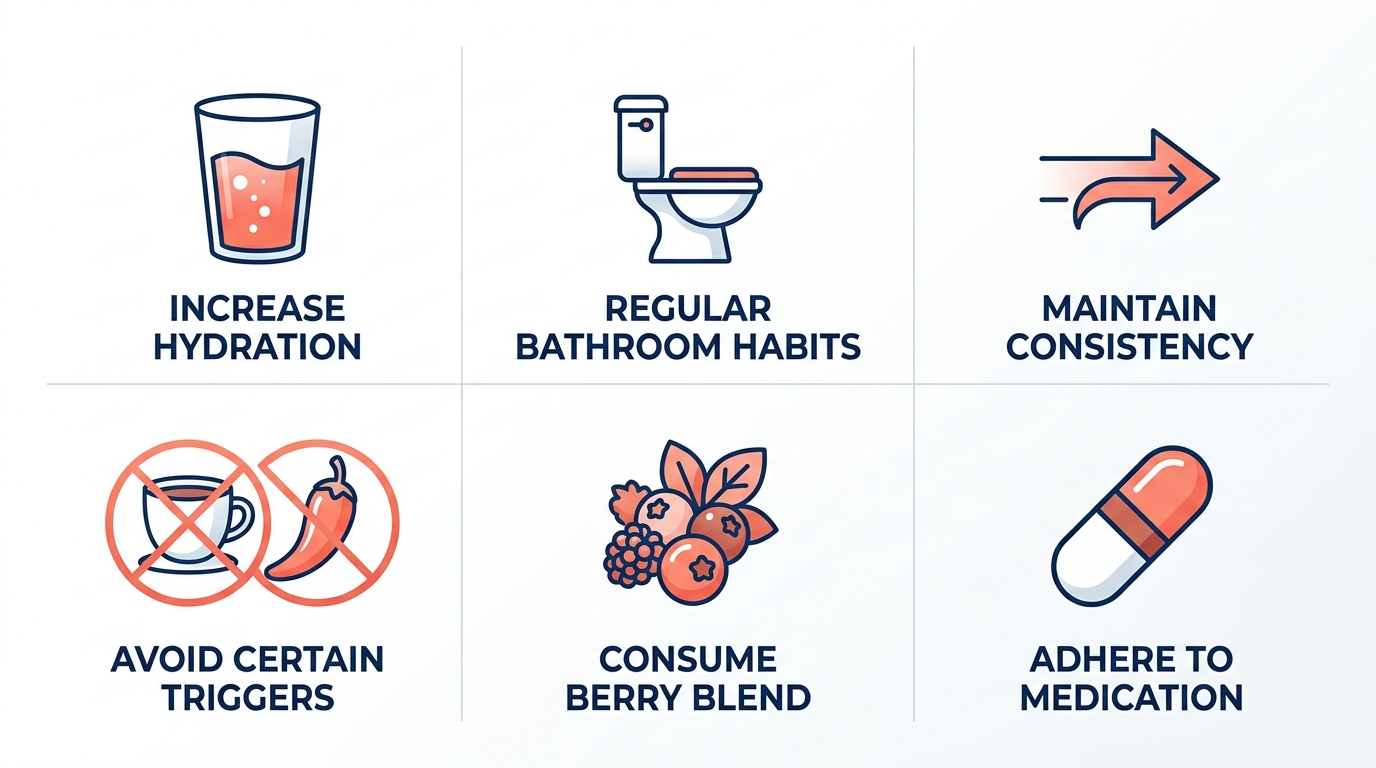
Six best practices for preventing recurrent UTIs.
Lifestyle Changes That Help Reduce UTI Recurrence
For women with recurrent urinary tract infections, what you do every day matters. One of the simplest yet most effective steps is increasing your water intake. Aim for at least 2 liters, or about eight 8-ounce glasses, of water per day to help flush bacteria out of your urinary tract before they can cause trouble. Another powerful habit is urinating within 15 minutes after sexual intercourse; this helps clear any bacteria that may have been introduced during intimacy. It is also wise to limit bladder irritants such as caffeine (found in coffee, tea, and soda), spicy foods, alcohol, and acidic citrus fruits. These items do not cause infections, but they can aggravate the bladder lining and make you feel worse. Choosing breathable cotton underwear and avoiding tight-fitting pants can also help keep the area dry and discourage bacterial growth.
Essential Hygiene and Self-Care Practices
Good hygiene is a cornerstone of UTI prevention, and small adjustments can have a big impact. Always wipe from front to back after a bowel movement to avoid transferring bacteria toward the urethra. Steer clear of feminine sprays, douches, and scented bath products, which can disrupt the delicate balance of healthy bacteria and irritate the urethra. Make it a habit to empty your bladder completely each and every time you urinate--do not rush the process. For women going through menopause, declining estrogen levels can thin and dry vaginal tissues, increasing UTI risk. Topical estrogen therapy, prescribed by a provider, can help restore healthy vaginal pH and tissue resilience. As with all medical decisions, please discuss this option with your doctor to see if it is right for you.
The Role of Cranberry and Probiotics in UTI Prevention
Cranberry products have long been a popular home remedy, but the evidence behind them is mixed. If you choose to try cranberry, opt for unsweetened 100% cranberry juice or a standardized supplement containing proanthocyanidins (PACs). According to NIH research, cranberry is not a cure-all, though it may offer modest protection for some women. Probiotics show more promise, particularly the strains Lactobacillus rhamnosus GR-1 and Lactobacillus reuteri RC-14, which may help maintain a healthy vaginal flora and reduce UTI recurrence. Always view these supplements as a support tool and not a replacement for medical care. Individual results may vary. Always consult your healthcare provider before starting any new regimen.
Recognizing Early Warning Signs and When to Act
Staying ahead of a UTI means catching it early. Be on the lookout for urinary tract infection symptoms such as noticeably increased urinary frequency--especially waking up at night to go--a persistent urge to urinate even when your bladder is empty, or a burning sensation during urination. Cloudy or strong-smelling urine is another common signal. Acting at the very first sign by scheduling a urine test and a doctor's visit at our office can prevent a mild infection from escalating into a kidney infection. If symptoms return or worsen after you have completed treatment, prompt re-evaluation is essential. Recurrent UTIs can sometimes lead to bladder control issues; if you start to notice signs of Urinary Incontinence Fort Lauderdale, it is important to discuss them with your provider. If you recognize any of these early signs, don't wait--reach out to us. In the next section, we'll discuss the treatment options available at our clinic.
Take Control of Your UTI Health in Fort Lauderdale
Now that you understand the signs, it's time to take control of your urinary health. If you're dealing with a urinary tract infection in the Fort Lauderdale area, we want you to feel informed and empowered. Our goal at First Class OBGYN is to provide the Expert Attentive Care you deserve, transforming a frustrating health concern into a manageable part of your wellness journey.
The National Institutes of Health reports that UTIs account for millions of doctor visits each year, and women are at a significantly higher risk. Common urinary tract infection symptoms include a persistent urge to urinate, painful burning sensations, and pelvic discomfort. If left untreated, a simple bladder infection can become a more serious kidney condition, so identifying these signs early is crucial for your protection.
For those who struggle with recurrent urinary tract infections, we understand that two or more episodes in six months can feel invasive and exhausting. Repeated infections can sometimes strain the pelvic floor and lead to overlapping issues, which is why we offer specialized options like Urinary Incontinence Treatment In Fort Lauderdale to address any related bladder health concerns. Simple habits like staying hydrated and prioritizing hygiene can reduce your risk, and our team is here to help you create a personalized prevention plan.
Take charge of your UTI health today--schedule a consultation with our caring team right here in South Florida. We are here for you.


